 Admin
Admin
China’s spectacular mountain range lures visitors with its divine summits, hidden valleys, and otherworldly scenery. The year 2025 is going to be the best period for nature-loving tourists to visit the mountains with the most attractive and scenic places, such as the mist-covered summits of Zhangjiajie National Forest Park and the tranquil paths of Mount Yuelu in Changsha.
The paths that were once only for the gods are now opened to keen adventurers, interested in the culture, and photographers to walk the mountains, uncover the temples, and see the wide landscapes that seem to be frozen in time.
Whether it is the immense sandstone columns, the snow-covered areas, or the wandering sand of the desert, China’s mountains will always be there to dazzle every single traveler with memorable experiences and magnificent sights.
Mount Huangshan (Yellow Mountain) – The Crown Jewel of Anhui Province
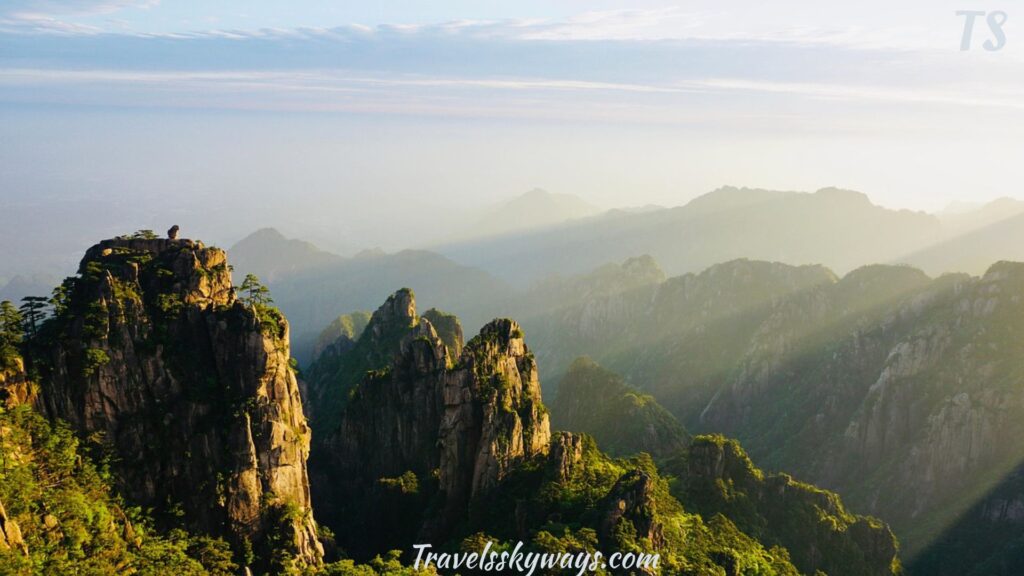
Discover the Magic of Mount Huangshan
If you crave a travel experience that feels almost mystical, Mount Huangshan in Anhui Province delivers. Rising sharply above the landscape, this iconic mountain range—also known as “Yellow Mountain”—merges dramatic granite peaks, ancient pine trees, swirling mists, and a rich cultural legacy.
I visited recently, and I still remember the chill of the early morning air mixed with the scent of pine and damp stone. It felt like stepping into a living painting.
Why Huangshan Stands Out
| Feature | What You’ll See / Experience |
| 🏔️ Peaks & Elevation | 72–88 peaks above 1,000 m, with the highest — Lotus Peak — reaching 1,864 m above sea level. |
| 🌲 Landscape & Flora | Jagged granite cliffs, twisted mist-shrouded pines, hot springs, and dense forests cover much of the terrain. |
| 🎨 Cultural & Historical Value | UNESCO World Heritage site (since 1990), birthplace of the famed “shanshui” (mountain-water) painting style. Artists and poets have drawn inspiration here for centuries. |
| 🌿 Biodiversity | Hosts a remarkable share of China’s plant and animal life — many endemic species call it home. |
| 🌤️ Seasons & Views | Whether you visit in spring bloom, autumn foliage, snowy winter, or misty summer, each season transforms the mountain’s mood. |
“Once you’ve climbed Huangshan and seen the sea of clouds from Lotus Peak, no other mountain view satisfies quite the same way.”
That quote stuck with me — it captured exactly how I felt staring at the sunrise breaking through the clouds, painting the peaks gold.
What Makes a 2025–2026 Trip to Huangshan Special
- The protected area of Huangshan — spanning roughly 160.6 square kilometers — still maintains rigorous conservation efforts.
- Local management now uses “rotational peak-closure” systems to reduce environmental impact and preserve fragile paths and vegetation.
- Modern infrastructure (clean trails, well-marked routes, cable-cars to mid-mountain) makes it easier than ever to explore — whether you’re a casual nature lover or a serious hiker.
Quick Travel Tips
Respect the ecosystem: stay on marked paths, avoid disturbing flora or wildlife. It helps preserve this treasure for future visitors.
Plan for 2 full days: sunrise from Lotus Peak, sunset at Bright Summit, and at least one walk through the “sea of clouds.”
Try to visit in spring (Mar–May) or autumn (Sep–Nov) — the weather stays mild, and the views tend to be more dramatic.
Pack layers — mornings and nights can get chilly, especially above 1,800 meters.
Mount Huashan (Hua Shan) – Shaanxi Province’s Daring Beauty
Why Mount Huashan (Hua Shan) Should Be On Your Bucket List

Steep, dramatic, and unforgettable — Mount Huashan in Shaanxi Province hooks you the moment you catch sight of its razor-sharp ridges and cloud-brushed peaks. Just east of Xi’an, this sacred mountain blends heart-pounding adventure with centuries of Taoist heritage.
When I first stepped onto its stone paths, I felt that perfect mix of awe and anticipation, the kind you only get from a place that’s both naturally wild and deeply spiritual.
“Climbing Huashan feels like walking along the edge of a dragon’s spine.”
That’s a line travelers often whisper, and trust me — it hits the mark.
A Snapshot of the Mountain’s Five Famous Peaks
| Peak | Elevation | Why Travelers Love It |
| South Peak | 2,154.9 m | Tallest point on the mountain; unbeatable panoramic views |
| East Peak | 2,096 m | Known for breathtaking sunrises that paint the sky gold |
| West Peak | 2,082 m | Graceful ridges and easier access via cable car |
| North Peak | 1,614 m | Easiest to reach; great starting point for multi-peak hikes |
| Central Peak | ≈ 2,040 m | Located in the heart of the mountain and connects major trails |
These peaks create a dramatic skyline, and hiking between them feels like moving through a living scroll painting.
What Makes Mount Huashan Unforgettable
- The mountain features some of China’s steepest stone stairways, including famous near-vertical climbs.
- The plank walk remains one of the most thrilling cliff-side paths in the world — a true adrenaline test.
- Taoist temples and hidden grottoes dot the mountain, giving the whole area a quiet, mystical charm.
- In 2025–2026, upgraded eco-friendly shuttle systems and trail maintenance make exploration smoother than ever.
Best Time to Visit (2025–2026)
Travelers favor:
- Spring (April–June) — mild weather and clear views
- Autumn (September–November) — crisp air and golden mountain scenery
Summer brings lush greenery, while winter offers quiet paths and snowy cliffs if you don’t mind cold temperatures.
Helpful Facts for Travelers
- Location: Huayin City, Shaanxi Province
- Travel time from Xi’an: Around 30–40 minutes by high-speed train
- Entrance fee (2025–2026): About ¥160–180 (peak season), ¥100 (winter)
- Cable Cars:
- North Peak: ~¥80 one way / ~¥150 round-trip
- West Peak: ~¥140–160 one way / ~¥280 round-trip
- North Peak: ~¥80 one way / ~¥150 round-trip
- Suggested visit duration: 1 full day (light version) or 2 days for a full peak-to-peak experience
Tips From Someone Who’s Been There
- Start at North Peak to warm up, then follow the trail toward the East, South, and West peaks.
- Pack gloves — the iron chains can get cold and slippery.
- Bring snacks and water; the steeper climbs burn more energy than you think.
- For jaw-dropping photos, stay for the sunset on West Peak.
- If you want fewer crowds, go early morning or mid-week.
Why It Stays With You
Mount Huashan combines raw beauty and cultural depth in a way few places do. Granitic cliffs soar straight into the clouds, temples cling to impossible edges, and every turn surprises you with a new view. Whether you’re chasing adventure, spiritual calm, or a once-in-a-lifetime photo, Huashan rewards you at every step.
Top Nature Destinations in Guangdong Province
Baiyun Mountain (Guangzhou) • Wutong Mountain (Shenzhen) • Gulong Gorge (Qingyuan) • Yuexiu Mountain (Guangzhou) • Danxia Mountain (Shaoguan Danxia Geopark)
If you’re dreaming of a trip where lush forests, red sandstone cliffs, turquoise rivers, and skyline views collide, Guangdong Province delivers one unforgettable experience after another.
From the soft, rolling hills of Baiyun Mountain to the flame-colored formations of Danxia Mountain, every site offers its own unique flavor of adventure.
“Guangdong’s mountains don’t just rise above the cities — they rise above expectations.”
Below is your friendly, expert-backed guide to five of the region’s most iconic natural wonders.
Baiyun Mountain (Guangzhou)
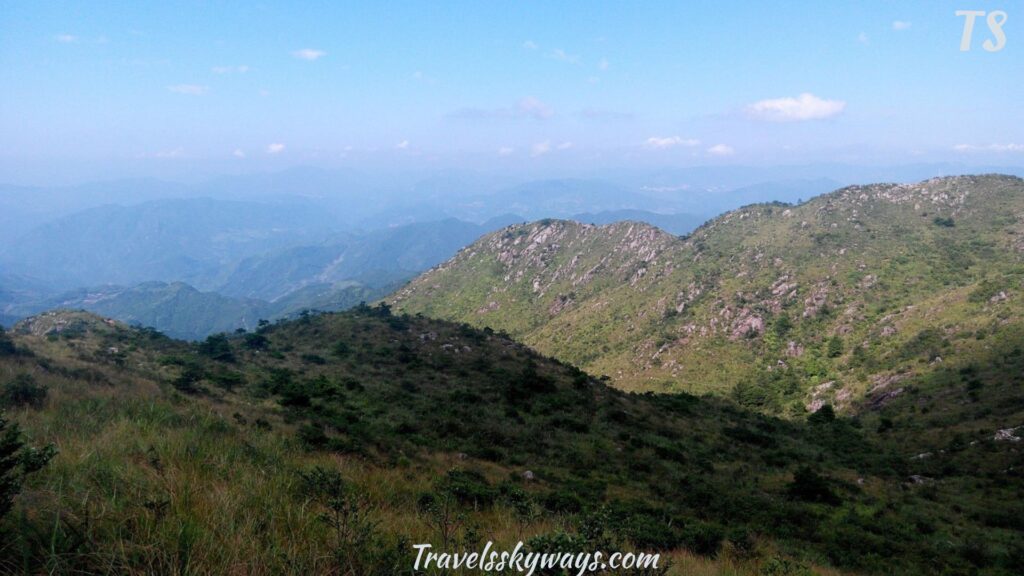
The “City’s Green Heart” with Skyline Views
Stepping into Baiyun Mountain feels like slipping into a quiet forest tucked just behind the city’s noise. Locals call it the “Lung of Guangzhou,” and once you breathe in the fresh pine-scented air, you’ll understand why.
Why Travelers Love Baiyun Mountain
- Gentle, family-friendly hikes
- Clear viewpoints overlooking the entire Guangzhou skyline
- Lush botanical gardens, lakes, and quiet temples
- Easy access from downtown
Quick Facts — Baiyun Mountain
| Feature | Detail |
| Highest Peak | Moxing Ridge – ~382 m |
| Scenic Areas | Yuntai Garden, Mingchun Valley, Sculpture Park |
| Best Time | October–March (crisp, cooler air) |
| Ideal For | Light hiking, photography, city escapes |
Wutong Mountain (Shenzhen)
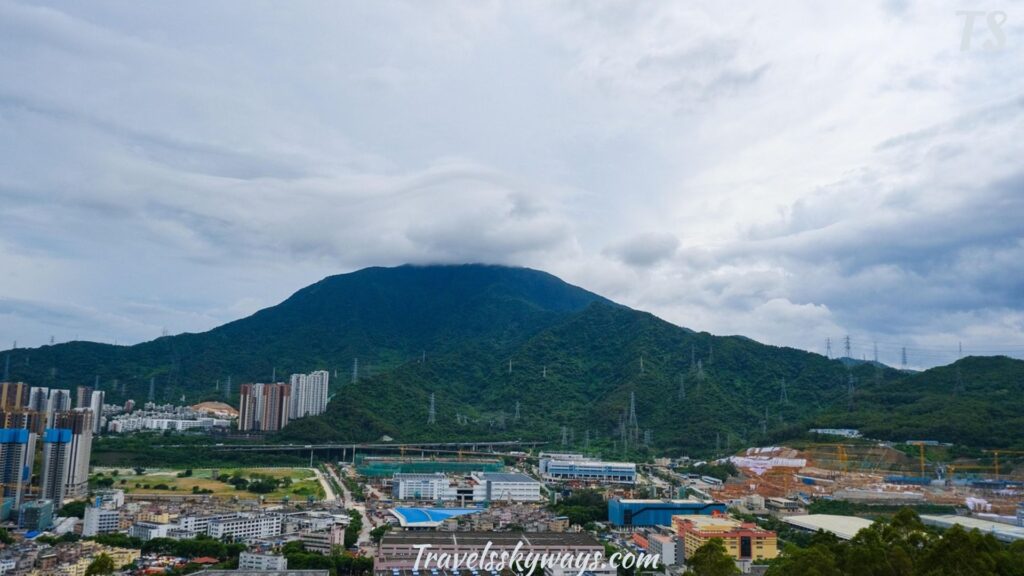
Shenzhen’s Loftiest Natural Landmark
If you prefer a steeper, more challenging hike, Wutong Mountain — the highest peak in Shenzhen — sparks that sense of accomplishment hikers crave.
The climb begins gently but intensifies as you approach the dramatic summit ridge. Once you reach the top? You’re greeted with sweeping views of Shenzhen, Hong Kong, and the shimmering coastline.
Quick Facts — Wutong Mountain
| Feature | Detail |
| Elevation | 943.7 m |
| Top Attractions | Big Wutong Peak, Small Wutong Peak, Wutong Village |
| Difficulty | Moderate–Hard (stone steps + steep segments) |
| Best For | Sunrise hikers, weekend athletes, long-distance trekkers |
Highlights
- Terraced stone paths shaded by dense subtropical forest
- Scenic pavilions are perfect for rest stops
- Clear mornings offering city-meets-ocean panoramas
Gulong Gorge (Qingyuan)
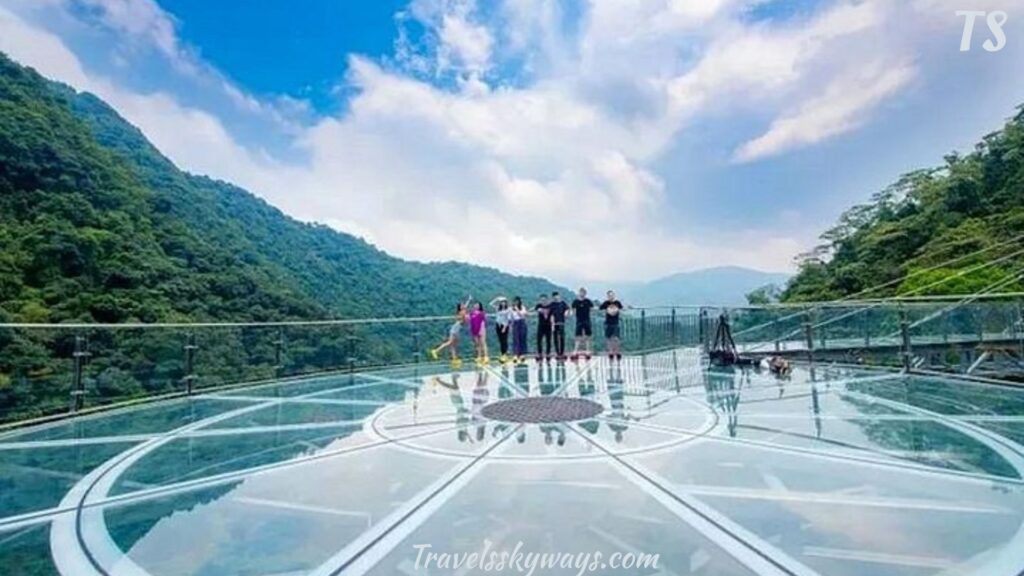
Guangdong’s Most Thrilling Glass-Skywalk Experience
Few places mix adrenaline and nature as perfectly as Gulong Gorge. The moment you step onto the transparent glass skywalk, you can see straight down into emerald waters rushing beneath your feet. It’s the perfect blend of beauty and heart-pounding excitement.
Why Gulong Gorge Stands Out
- One of the longest and highest glass bridges in southern China
- Cascading waterfalls surrounded by forest
- Cliffside walkways offering dramatic canyon views
- Perfect day trip from Guangzhou or Foshan
Quick Facts — Gulong Gorge
| Feature | Detail |
| Location | Qingyuan City |
| Famous For | Glass skywalk, cliff stairs, waterfalls |
| Ideal Visitors | Adventure lovers, families, photography fans |
| Best Season | April–October (lush water flow) |
Yuexiu Mountain (Guangzhou)
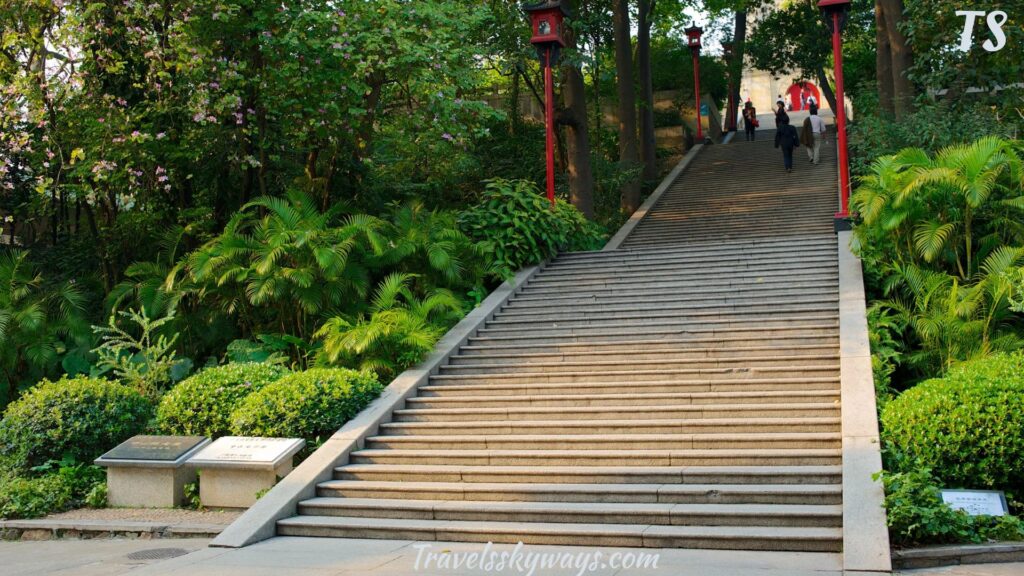
Where Nature Meets History in the Heart of the City
Yuexiu Mountain blends greenery with centuries of Guangzhou culture. The atmosphere feels peaceful, but dotted across the hills you’ll find ancient walls, historic towers, and the city’s beloved icon — the Five Rams Statue.
Top Highlights
- Zhenhai Tower (Guangzhou Museum site)
- Five Rams Statue, symbol of the city
- Lakes, gardens, and shaded walking paths
- Smooth trails are ideal for casual strolls or morning exercise
Quick Facts — Yuexiu Mountain
| Feature | Detail |
| Elevation | ~70–80 m, gentle and accessible |
| Known For | Culture + nature, city views, historic sites |
| Ideal For | Families, historians, casual walkers |
| Best Time | Year-round |
Danxia Mountain (Shaoguan Danxia Geopark)
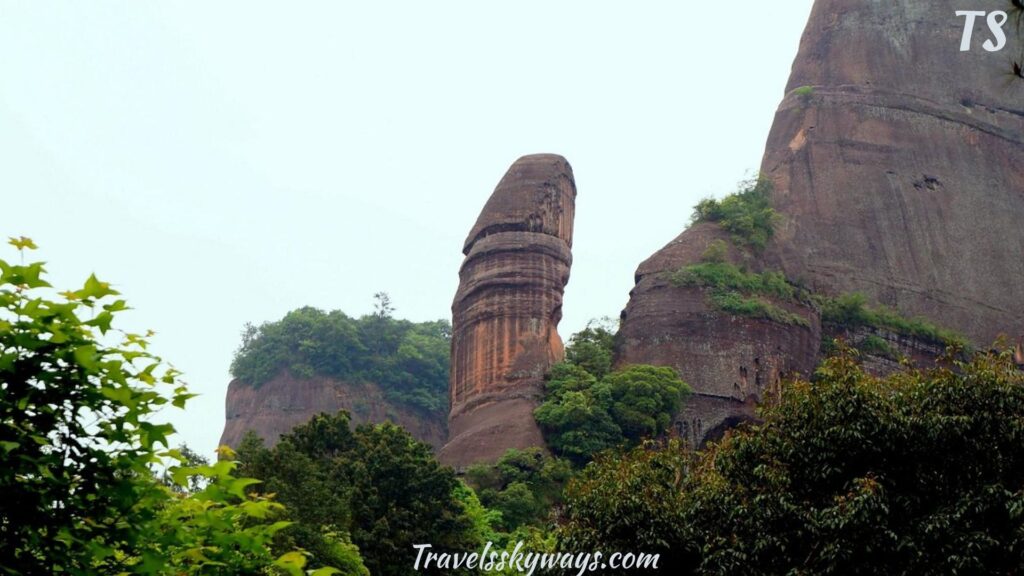
Guangdong’s UNESCO Red-Sandstone Wonderland
If you want a landscape that looks straight out of a fantasy novel, Danxia Mountain — part of a UNESCO World Heritage geopark — is the crown jewel. Its towering red sandstone cliffs, deep canyons, and curvy, flame-colored ridges create a landscape unlike anywhere else in China.
What Makes Danxia Mountain Special
- Famous Danxia landform (unique red sedimentary rock)
- Stunning sunrise at Elder Peak
- River cruises through deep valleys
- Geological formations with playful names like “Sleeping Beauty.”
Quick Facts — Danxia Mountain
| Feature | Detail |
| Peak Elevation | ~618 m |
| Type | UNESCO Global Geopark |
| Best Time to Visit | October–April |
| Ideal Visitors | Nature lovers, photographers, geology fans |
Which Mountain Should You Choose?
| Destination | Best For | Vibe | Difficulty |
| Baiyun Mountain | City views, easy walks | Relaxed, green | Easy |
| Wutong Mountain | Serious hikers | Rugged, rewarding | Medium–Hard |
| Gulong Gorge | Thrills + scenery | Adventurous | Easy–Medium |
| Yuexiu Mountain | Culture + nature | Historic, central | Very Easy |
| Danxia Mountain | Unique landscapes | Majestic, cinematic | Medium |
Whether you want a peaceful morning walk, a steep summit challenge, or a burst of pure adrenaline, Guangdong Province offers a mountain for every mood. Each site blends natural beauty with cultural stories, giving you a deep connection to the land — the kind you remember long after the trip ends.
Sichuan Province Mountain Guide
Mount Qingcheng • Mount Emei (Emei Shan) • Mount Siguniang • Mount Lu (Confirmed Location)
If you’re chasing mist-covered temples, snow-capped peaks, or peaceful forested trails, Sichuan Province offers some of China’s most unforgettable mountain landscapes. Each spot carries its own soul — from the Taoist calm of Mount Qingcheng to the alpine majesty of Mount Siguniang.
“Sichuan’s mountains don’t just rise from the earth — they rise from legend.”
Let’s explore the highlights, one by one.
Mount Qingcheng – The Heart of Taoism

Stepping into Mount Qingcheng feels like walking into a living poem. Dense bamboo forests, winding stone paths, and gentle mountain breezes make this one of the most peaceful retreats in Sichuan.
Why Travelers Love Mount Qingcheng
- One of China’s birthplaces of Taoism
- Forest-covered slopes and quiet temples
- Easy-to-moderate trails perfect for half-day trips
- Calm, shaded, and close to major transport routes
Quick Facts – Mount Qingcheng
| Feature | Detail |
| Highest Peak | ~1,600 m |
| Best For | Spiritual walks, nature lovers, casual hikers |
| Best Season | March–June & September–November |
| Vibe | Tranquil, evergreen, meditative |
If you crave serenity, Qingcheng offers it in abundance.
Mount Emei (Emei Shan) – Sacred, Scenic, and Majestic
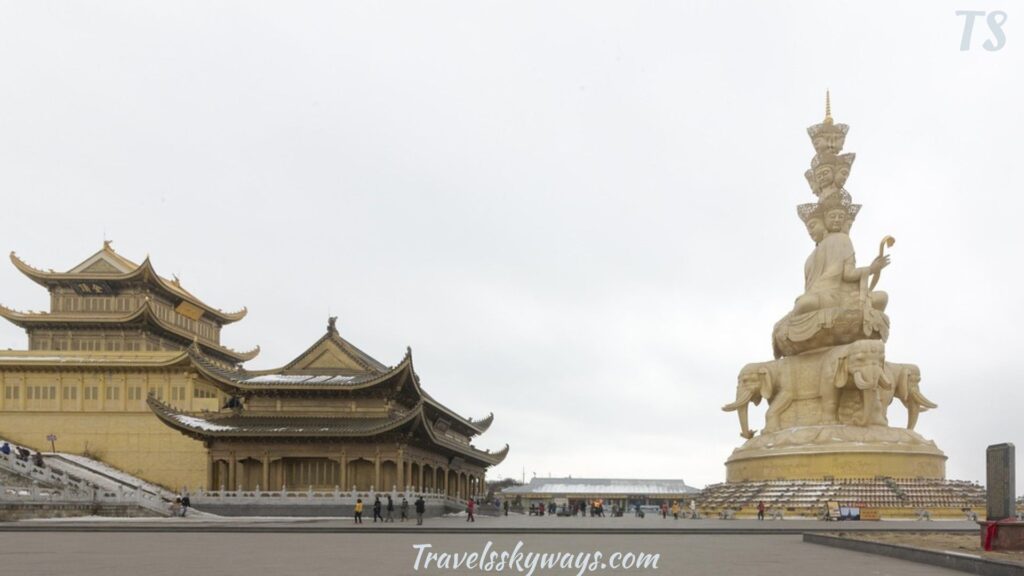
Few mountains in China combine spirituality and natural drama as dramatically as Mount Emei. Rising from gentle foothills to misty heights, the mountain shifts from warm forest to cold alpine air as you climb.
Highlights of Mount Emei
- Home to over 30 ancient temples
- The famous Golden Summit, often wrapped in clouds
- Panoramic sunrise views over the Sichuan Basin
- Playful monkeys along forest trails (keep snacks hidden!)
Quick Facts – Mount Emei
| Feature | Detail |
| Highest Peak (Wanfo Summit) | 3,099 m |
| Difficulty | Moderate–Hard |
| Best Time | April–June & September–December |
| Experience Level | Great for both pilgrims and adventure hikers |
Expect long, beautiful climbs and moments of pure awe.
Mount Siguniang (Four Sisters Mountain) – The “Alps of the East.”
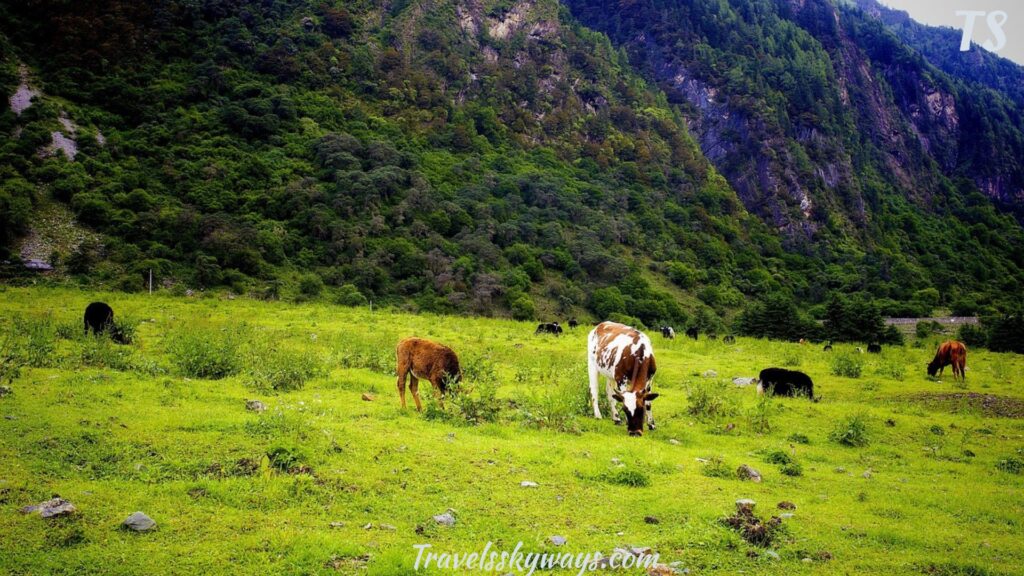
When your heart wants sharp ridgelines, snow fields, and massive peaks, Mount Siguniang answers boldly. Its dramatic scenery easily rivals world-famous mountain ranges.
Why Siguniang Is Unmissable
- Four main peaks, with the tallest soaring to 6,248 m
- Known for alpine valleys, glaciers, and wildflower meadows
- Perfect for multi-day treks and nature photography
- Crisp mountain air and one of western China’s most striking skylines
Quick Facts – Mount Siguniang
| Feature | Detail |
| Highest Peak | 6,248 m |
| Terrain | Alpine, glacial, rugged |
| Best Season | October for clarity; May–June for greenery |
| Ideal Travelers | Mountaineers, trekking lovers, photographers |
Mount Tai (Taishan) – Shandong Province’s Sacred Summit
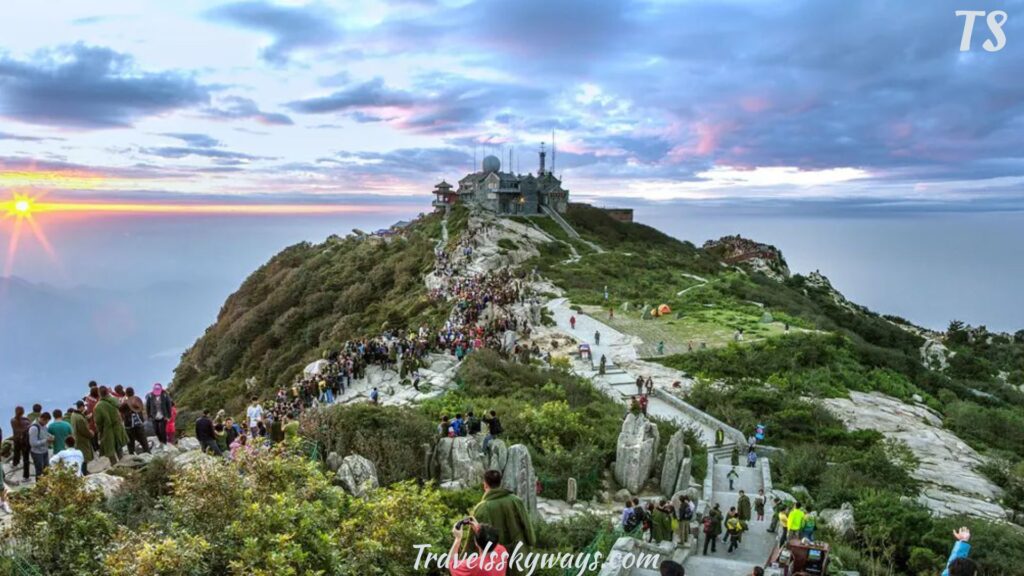
If there’s a mountain in China that feels larger than life, it’s Mount Tai — the spiritual heart of Shandong Province. Poets praised it for centuries, emperors climbed it for blessings, and travelers like us still arrive with wide eyes and eager steps.
“To rise above Mount Tai is to rise above the ordinary.”
With its sweeping stone stairways, ancient temples, and sunrise views that make the world feel brand new, Mount Tai (Taishan) stands as one of China’s most powerful cultural icons.
Why Mount Tai (Taishan) Is Truly Special
You don’t just visit Taishan — you experience it. The hike blends nature, religion, history, and sky-high scenery in a way few places can match.
What Makes It Unforgettable
- Considered the most sacred of China’s Five Great Mountains
- UNESCO World Heritage Site
- Ancient stone paths dating back over 2,000 years
- Sunrise from the summit — one of the most famous in the country
- Over 6,000 stone steps if you choose the full ascent
- Rich mixture of Confucian, Taoist, and Buddhist cultures
Walking the trail feels like moving through a timeline carved into the mountainside.
Quick Facts – Mount Tai (Taishan)
| Feature | Detail |
| Province | Shandong |
| Highest Peak (Jade Emperor Peak) | 1,545 m |
| Best Seasons | April–June, September–November |
| Climb Difficulty | Moderate–Hard (depending on route) |
| Travel Time From Jinan | ~1.5 hours |
| Travel Time From Tai’an | 15–25 minutes |
| Experience Type | Cultural, spiritual, scenic hiking |
Routes Up Mount Tai
Different paths shape different adventures. Here’s how to choose the one that suits your style.
Traditional Red Gate Route (Most Historic)
- Roughly 6,500–7,000 steps
- Passes iconic spots: Red Gate, Midway Gate to Heaven, South Heaven Gate
- Best for tradition lovers and summit achievers
- Expect 3–5 hours up depending on pace
Peach Blossom Valley Route (Scenic & Quieter)
- Shaded, lush, and great in spring
- Meets the main trail closer to the summit
- Perfect for photos and easier breathing
Cable Car Route (Fast & Convenient)
- Ride from Tianwai Village or Zhongtianmen
- Reach the upper summit area in minutes
- Ideal if you want views without an intense hike
Top Highlights on Mount Tai
South Heaven Gate
A massive stone gateway perched dramatically on the ridge. Reaching it feels like stepping into myth.
Jade Emperor Peak
The highest point of Mount Tai — panoramic views, cool wind, and the feeling of being above the world.
Dai Temple
Located at the mountain’s base, filled with ancient cypress trees and carved steles. Many emperors performed rituals here before ascending.
Sunrise Point
People come from everywhere for the moment the sun spills gold over the clouds and mountain tops.
Best Time to Visit – Mount Tai (2025–2026)
Spring:
- Clear air
- Peach blossoms and vibrant greens
- Mild temperatures
Autumn:
- Golden leaves
- Crisp mornings
- Most comfortable hiking weather
Summer:
- Beautiful but humid
- Ideal for sunrise climbs
Winter:
- Quiet, snowy, and atmospheric
- Not ideal for beginners
What to Bring
- Light jacket (even in summer — summit temperatures drop quickly)
- Gloves for early morning climbs
- Water + high-energy snacks
- Comfortable hiking shoes
- A camera or phone with an extra battery
- Cash or digital payment for summit snacks or cable cars
Why Mount Tai Leaves a Mark
Climbing Mount Tai (Taishan) blends effort and reward in perfect harmony. You climb past stone inscriptions, ancient temples, forests, cliffs, and clouds — and by the time you reach the top, you feel lighter, stronger, and connected to something timeless.
Must Read: Ultimate Maldives Travel Guide 2025: Best Packages, Resorts, Activities & More
Yunnan Province Mountain & Scenic Guide
Jade Dragon Snow Mountain • Meili Snow Mountain • Shangri-La Grand Canyon • Blue Moon Valley • Cangshan Mountain
If you dream of snow-capped peaks, turquoise lakes, and mystical canyons, Yunnan Province is your ultimate playground. From the majestic Jade Dragon Snow Mountain to the serene waters of Blue Moon Valley, every destination feels like stepping into a painting.
“Yunnan’s mountains don’t just touch the sky — they touch the soul.”
Here’s your insider’s guide to five must-visit natural wonders.
Jade Dragon Snow Mountain (Yulong Snow Mountain) – Lijiang
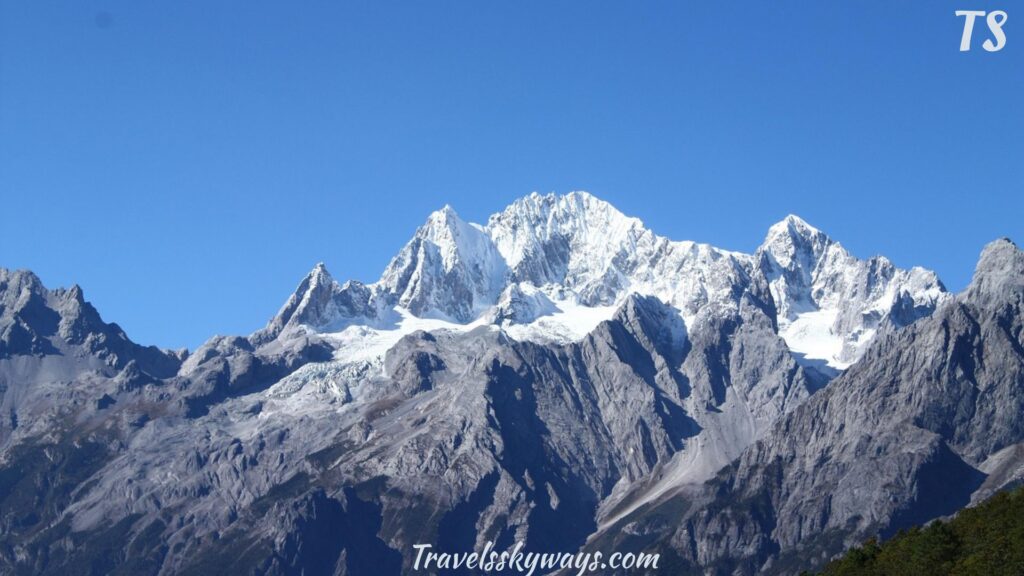
Known for its towering, glacier-capped peaks, Jade Dragon Snow Mountain is a magnet for adventurers, photographers, and nature lovers alike.
Why Visit Jade Dragon Snow Mountain
- Iconic 5,596 m peaks, the highest in the Lijiang area
- Year-round snow and glaciers are visible from base areas
- Cable cars for easy access to Glacier Park and summit views
- Popular trekking trails: Glacier Park and White Water River
Quick Facts – Jade Dragon Snow Mountain
| Feature | Detail |
| Highest Peak | Shanzidou – 5,596 m |
| Best Time to Visit | March–June, September–November |
| Activities | Cable car rides, trekking, and photography |
| Nearby Town | Lijiang |
| Unique Feature | Rich Naxi culture & ancient Dongba inscriptions |
Sunrise at the mountain reveals a golden glow on glaciers that photographers chase for years.
Meili Snow Mountain – Deqin

For true adventure seekers, Meili Snow Mountain offers raw wilderness and sacred Tibetan landscapes. Its dramatic peaks and glaciers create some of the most photogenic vistas in all of Yunnan.
Highlights
- Highest peak: Kawagebo – 6,740 m, sacred in Tibetan Buddhism
- Glacier-fed rivers and alpine valleys
- Remote trekking routes for multi-day expeditions
- Best seen during clear winter and spring mornings
Quick Facts – Meili Snow Mountain
| Feature | Detail |
| Highest Peak | Kawagebo – 6,740 m |
| Province | Yunnan |
| Best Season | October–March for clear skies |
| Difficulty | Challenging – for experienced trekkers |
| Cultural Note | Sacred mountain for Tibetan pilgrims |
“Climbing Meili is not just hiking — it’s a journey through spirituality and nature.”
Shangri-La Grand Canyon (Balagezong) – Diqing
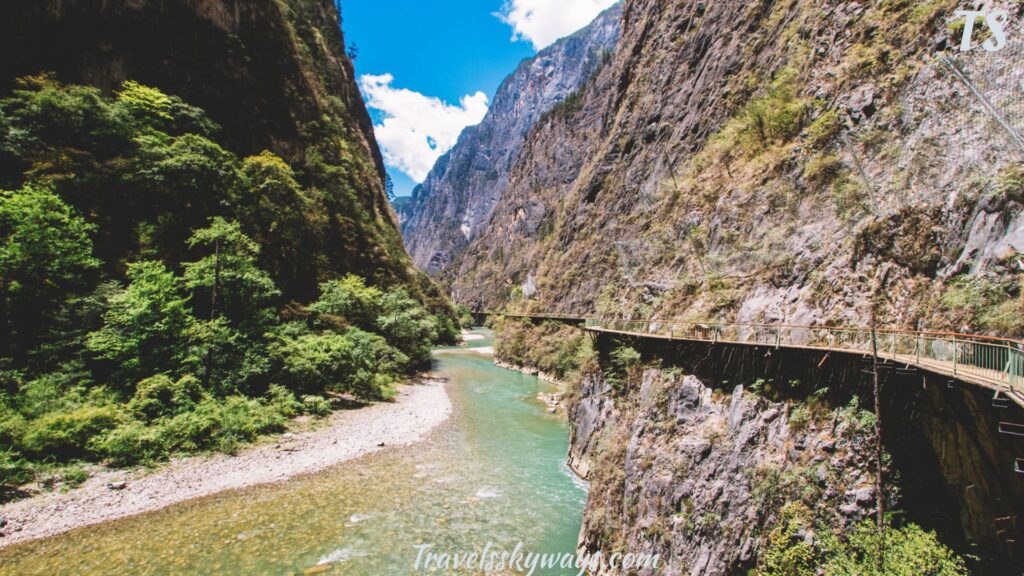
Hidden in the Tibetan plateau, Balagezong Canyon is Yunnan’s lesser-known gem. Waterfalls, deep gorges, and ancient pine forests create a cinematic landscape that feels almost magical.
Why Shangri-La Grand Canyon Stands Out
- Dramatic cliffs and dense alpine forests
- Hiking trails ranging from 2–6 hours
- Rare wildlife: red pandas, monkeys, and exotic birds
- Minimal crowds compared to more famous destinations
Quick Facts – Shangri-La Grand Canyon
| Feature | Detail |
| Elevation | 2,700–4,200 m |
| Best Season | May–October |
| Travel Tip | Bring sturdy hiking shoes and water |
| Unique Feature | Wild, less-touristy Tibetan plateau landscape |
Must Read: Houseboats Compared: Kerala’s Backwaters or Kashmir’s Lakes?
Blue Moon Valley (Lijiang) – Turquoise Paradise
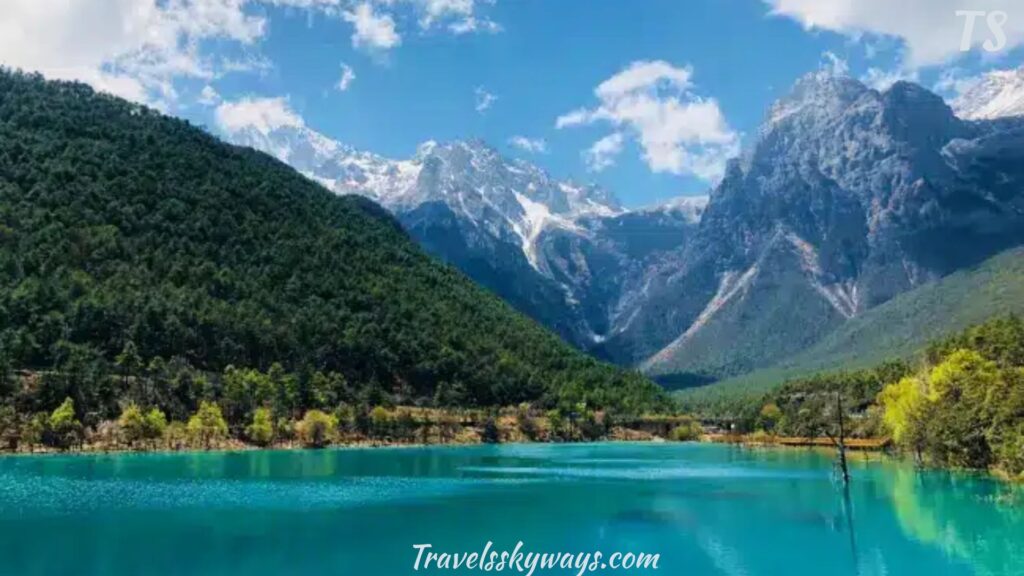
Nestled at the base of Jade Dragon Snow Mountain, Blue Moon Valley is famous for its sparkling turquoise rivers and tranquil lakes. It’s perfect for photography and easy walks.
Top Highlights
- Multi-tiered lakes reflecting the snowy peaks
- Walking trails suitable for all ages
- Seasonal flowers: rhododendrons in spring, golden foliage in autumn
- Ideal for sunrise and sunset reflections
Quick Facts – Blue Moon Valley
| Feature | Detail |
| Elevation | ~3,200 m |
| Length | ~7 km scenic loop |
| Best Season | April–June & September–October |
| Ideal Visitors | Families, photographers, nature lovers |
The name comes from the deep blue lakes that shimmer like a “blue moon” under clear skies.
Cangshan Mountain – Dali
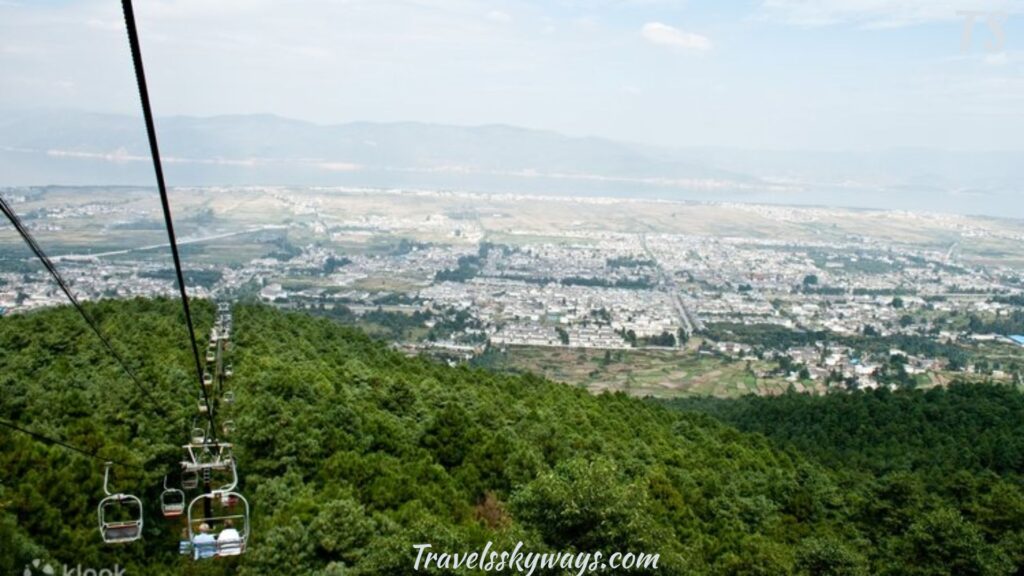
Overlooking the old town of Dali, Cangshan Mountain combines dramatic peaks with gentle forested trails. It’s a mix of adventure and relaxation with stunning panoramas of Erhai Lake.
Highlights
- Cable cars for easy access to high viewpoints
- Over 19 peaks and dozens of waterfalls
- Hiking trails ranging from 1 hour to full-day treks
- Seasonal blooms: rhododendrons, azaleas, and wildflowers
Quick Facts – Cangshan Mountain
| Feature | Detail |
| Highest Peak | Malong Peak – 4,122 m |
| Best Time | March–June, September–November |
| Nearby Attraction | Erhai Lake, Dali Old Town |
| Activities | Trekking, photography, nature walks |
From the summit, you can watch Erhai Lake glisten like a mirror below, framed by alpine peaks.
Which Yunnan Mountain Fits You Best?
| Destination | Best For | Difficulty | Highlight |
| Jade Dragon Snow Mountain | Scenic vistas & cable cars | Moderate | Snow-capped peaks |
| Meili Snow Mountain | Adventure & spiritual trekking | Hard | Sacred peak Kawagebo |
| Shangri-La Grand Canyon | Remote hiking & wildlife | Moderate | Deep gorges & waterfalls |
| Blue Moon Valley | Family-friendly scenic walk | Easy | Turquoise lakes & reflections |
| Cangshan Mountain | Day hikes & panoramas | Easy–Moderate | Views of Erhai Lake |
Yunnan Province’s mountains and valleys offer something for every traveler — from casual photographers to hardcore trekkers. Snow peaks, turquoise rivers, deep canyons, and Tibetan cultural sites make it a paradise that blends adventure, spirituality, and beauty in one unforgettable package.
Discover Jiangxi Province: Exploring Sanqingshan & Mount Lu
Sanqingshan (Sanqing Mountain)
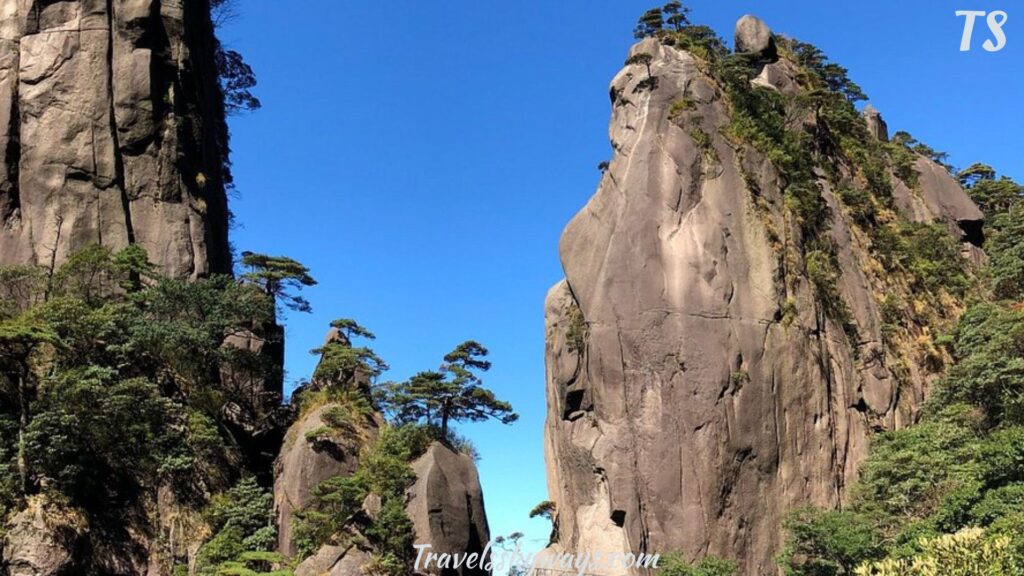
I still remember standing on a granite pillar at Sanqingshan and feeling like I was perched on a floating island of clouds. Rising to 1,817 m, Sanqingshan dominates the western edge of the Huaiyu Range and earns its nickname “Three Pure Ones” for its three sacred summits.
Here’s a snapshot of what makes Sanqingshan shine in 2025:
| Feature | Detail |
| Altitudes | 200 m (foothills) → up to 1,817 m at Yujing Peak |
| Protected Area | 22,950 ha core park + buffer zone |
| Rock Formations | ~48 granite peaks + 89 granite pillars resembling animals, humans, or mythical forms |
| Biodiversity | Over 2,300 plant species + 400 vertebrate species |
| Climate (Mid‑Summer) | July temps average ~21 °C with frequent “sea‑of‑clouds” vistas |
“Three steep peaks, like the Three Pure Ones seated atop the mountain.”
Fog curls around sharp granite spires. Sun rays split through mist, painting cliffs with eerie halos or rainbow mists. Everywhere you look, nature — raw and ancient — shapes landscapes that feel otherworldly.
Visiting in spring or autumn adds extra drama: blooming rhododendrons or fiery leaves create vibrant contrast against the grey stone. For a firsthand taste of Sanqingshan’s raw beauty, it’s hard to imagine a better place.
Mount Lu (Lushan Mountain)
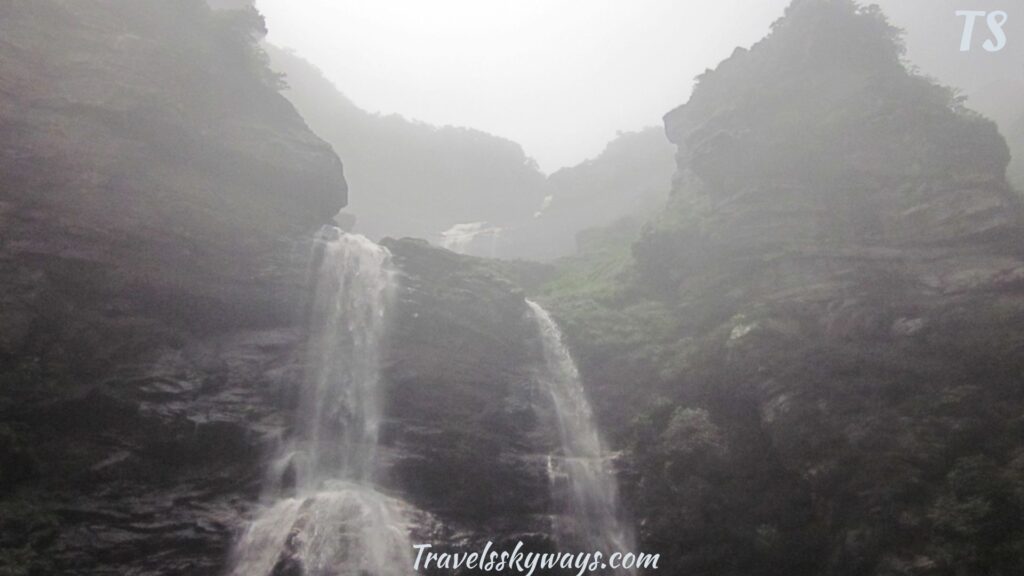
Visiting Mount Lu feels like stepping into a living scroll painting — full of misty valleys, forested peaks, and ancient culture. Its highest point, Hanyang Peak, stands at 1,474 m, offering commanding views over the Yangtze River and Poyang Lake.
Here’s a quick profile of Mount Lu in 2025:
| Feature | Detail |
| Protected Area | ~30,200 ha within Lushan National Park |
| Peaks & Landforms | 171 named peaks, 26 ridges, 20 valleys, 16 caves, 22 waterfalls & 14 lakes |
| Summer Climate | Average summer temperature ~22 °C — a welcome escape from lowland heat |
| Cultural Sites | Over 200 historic buildings: temples, academies, ancient villas with Buddhist, Daoist, and Confucian roots |
| Tourism & Heritage | UNESCO World Heritage Site + UNESCO Global Geopark status, preserving natural and cultural landscapes |
The first thing that grabs you is the mountain’s mood: mist rolling over pine-covered cliffs, waterfalls plunging into deep green valleys, and stone paths winding past ancient temples. Walking from the mist-shrouded “Five Old Men Peaks” to tranquil lakes, you feel enveloped by sacred forest and ancient history.
Many Chinese poets over the millennia wrote verses about Mount Lu, and it’s easy to see why. The air smells of pine and rain, views stretch farther than the eye can see, and every corner hints at history.
Why Both Mountains Deserve to Be on Your 2026 Travel List
- Dramatic scenery — granite spires at Sanqingshan and misty waterfalls at Mount Lu.
- Favorable altitude climates — cooler summers make both spots ideal getaways.
- Rich nature + culture — biodiversity, geological uniqueness, ancient temples, literary heritage.
- UNESCO-protected beauty — whether it’s world heritage or global geopark recognition — ensures preservation.
If you had to pick one for a magical weekend trip, Sanqingshan in autumn offers mystical peaks and vibrant foliage. For a deeper journey through culture, nature, and history, Mount Lu is unbeatable.
“Walking these paths, you don’t just see mountains — you touch the stories, the mist, the ancient spirit of Jiangxi.”
Must Read: Explore Fukuoka: Best Attractions, Experiences & Day Trips
Discover Hunan Province — Mount Yuelu, Tianzi Mountain & Zhangjiajie National Forest Park
From the heart of Changsha city to the mystical peaks of Zhangjiajie, Hunan Province offers a striking mix of urban culture, historic charm, and natural wonders.
Whether you stroll through tranquil forest trails at Mount Yuelu or gaze at the towering sandstone pillars of Tianzi Mountain in Zhangjiajie National Forest Park (Wulingyuan Scenic Area), this province is a paradise for hikers, photographers, and culture enthusiasts alike.
Mount Yuelu (Changsha) — Urban Nature and Cultural Heritage
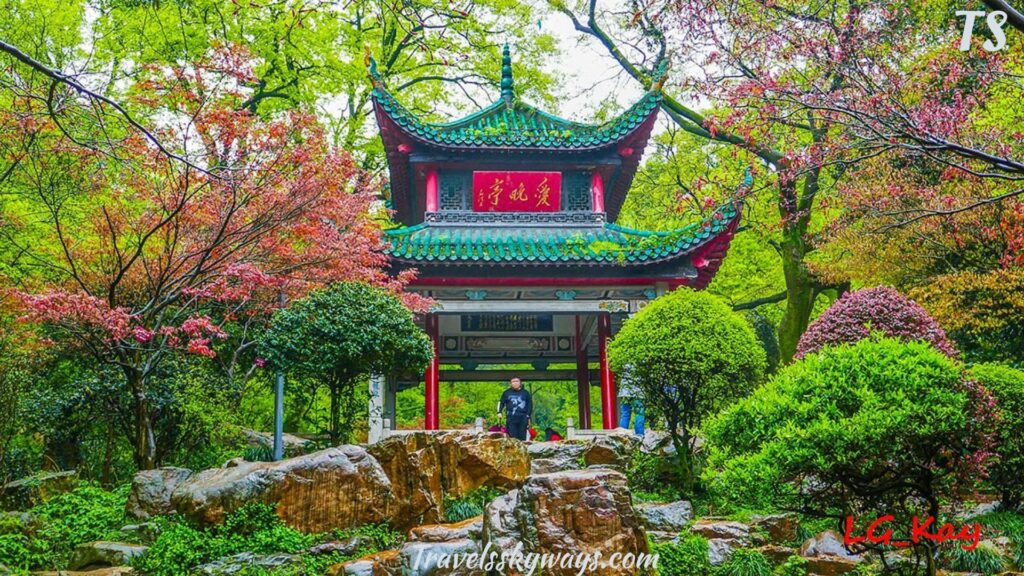
Rising gracefully on the west bank of the Xiang River, Mount Yuelu blends natural beauty with centuries of history.
Key Highlights
- Height & Location: Peaks at 300 meters, within easy reach of downtown Changsha.
- Historic Sites: Includes Yuelu Academy (founded in 976 AD) and Aiwan Pavilion, celebrating Hunan’s literary heritage.
- Trails & Scenery: Gentle forest paths, pavilions with panoramic city views, and seasonal blooms.
Traveler Tips
Half a day is sufficient for trails, temples, and academy exploration.
Best visited in spring or autumn for mild weather and scenic foliage.
Tianzi Mountain (Zhangjiajie) — “Monarch of the Peaks”

A short drive from Wulingyuan, Tianzi Mountain is famous for its sandstone peaks shrouded in mist, dramatic cliffs, and rich biodiversity.
Why Visit in 2025–2026
- Height & Formation: Peaks reach 1,262 meters, formed by quartz sandstone over millions of years.
- Unique Scenery: Towering pillars and deep ravines inspired the floating mountains in movies like Avatar.
- Flora & Fauna: Home to rare plants and animals, including Chinese Giant Salamanders and endemic bird species.
Top Attractions
| Feature | Why It Stands Out |
| Helong Park | Panoramic viewpoints of Tianzi Mountain’s iconic peaks. |
| Sea of Clouds | Mist-filled valleys that create otherworldly landscapes, especially at sunrise. |
| Walking Trails & Cable Cars | Easy access to major peaks, combining hiking with stunning photography opportunities. |
Zhangjiajie National Forest Park / Wulingyuan Scenic Area — UNESCO Wonder
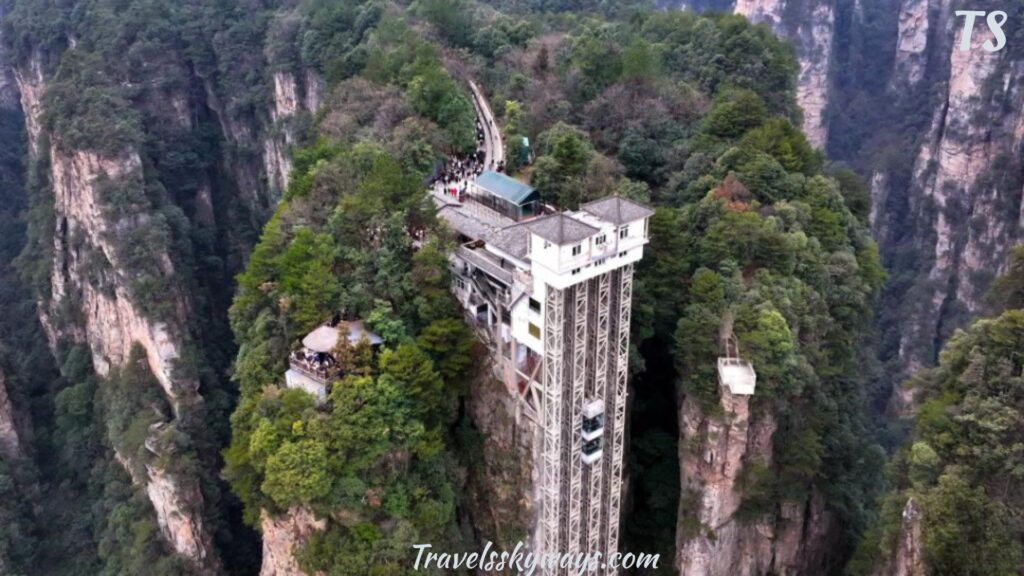
Part of the Wulingyuan Scenic Area, Zhangjiajie National Forest Park is a natural marvel featuring over 3,000 quartz-sandstone pillars.
Facts & Figures (2025–2026):
- Area: Covers approx. 263 km², with multiple scenic zones including Yuanjiajie and Golden Whip Stream.
- Visitor Info: Welcoming over 2.5 million tourists annually, with improved eco-friendly transport and walking paths.
Highlights: Sandstone peaks, rivers, caves, and rich biodiversity.
Must Read: Kauai’s Top Eats: The Ultimate Food Lover’s Guide
Must-See Spots
| Attraction | Why It’s Special |
| Avatar Hallelujah Mountain | Iconic pillar inspiring movie landscapes. |
| Golden Whip Stream | Scenic riverwalk surrounded by towering cliffs. |
| Yuanjiajie Scenic Area | Panoramic viewpoints with unique rock formations. |
| Bailong Elevator | World’s tallest outdoor elevator offering dramatic vertical views. |
Best Time to Visit Hunan Mountains
- Spring (March–May): Lush greenery, flowers, and comfortable weather.
- Autumn (September–November): Crisp air, golden foliage, and clearer skies for photography.
- Avoid peak summer if you dislike crowds; early mornings are best for sunrise shots.
Traveler Tips
- Wear sturdy shoes: Trails vary from paved paths to rugged mountain routes.
- Bring layers: Weather changes quickly, especially in Zhangjiajie.
- Start early: Sunrise views at Tianzi Mountain and Zhangjiajie peaks are breathtaking.
- Respect cultural and natural sites: Don’t disturb wildlife or historic landmarks.
- Plan transport ahead: Cable cars and shuttles help reach key viewpoints efficiently.
From the cultural paths of Mount Yuelu to the stunning sandstone pillars of Tianzi Mountain and the UNESCO-protected Wulingyuan Scenic Area, Hunan Province is a treasure trove of nature, history, and adventure.
In 2025–2026, these mountains offer unforgettable landscapes, serene hikes, and a chance to immerse yourself in one of China’s most iconic provinces.
Hike the trails, breathe in the mountain air, and let Hunan’s peaks inspire both your camera and your soul.
Explore Hubei Province — Wudang Mountain (Wudangshan)

Mist curls around ancient temple roofs. Pine trees cling to cliffs like quiet guardians. Stone steps guide you toward centuries of Taoist practice and martial-arts legend.
That’s the spell Wudang Mountain casts the moment you arrive. If you crave a place where serenity meets myth — where history feels alive beneath your feet — this sacred mountain in Hubei Province delivers an experience worth every step.
Why Wudangshan Captivates Travelers Around the World
You don’t just visit Wudang Mountain. You step into a living cultural masterpiece.
Key Facts (2025 Update)
- The Wudang Mountain Scenic Area spans roughly 312 km².
- More than 53 ancient buildings and over 2,000 stone steps shape the mountain’s architectural soul.
- Several temples date back over 600 years, forming one of China’s largest preserved Taoist complexes.
- Visitor numbers for 2024 exceeded 4.2 million, with 2025–2026 expected to rise by 12–15% as global interest in wellness travel grows.
- The mountain is recognized for its deep connection to internal martial arts, especially Tai Chi and Wudang Kung Fu.
Wudangshan isn’t just scenic. It’s spiritual, cinematic, and culturally rich — a rare blend that makes every viewpoint feel meaningful.
The Magic of Wudang Mountain (Wudangshan)
Walk far enough along its ridgelines, and you’ll swear the mountain is whispering stories from dynasties long gone.
Wudang Mountain Quick Facts
| Feature | Detail |
| Highest Peak | Tianzu Peak — 1,612 meters |
| Historic Sites | 53 major Taoist structures, 9 palaces, dozens of shrines |
| UNESCO Recognition | Known for Taoist architecture, ancient pathways, and bronze halls |
| Best Seasons | March–June & September–November |
| Famous For | Tai Chi origins, Taoist philosophy, cloud-covered temples |
The Golden Hall, perched at the summit, glows in the sunlight and feels like a reward you earn after the final climb. Meanwhile, the Purple Cloud Palace offers sweeping mountain views that make you pause, even if you’re not the reflective type.
Travelers often remark: “It feels like stepping into an old martial-arts epic, but the silence makes it even better.”
What’s New in 2025–2026
Recent improvements blend comfort with cultural preservation.
- Upgraded shuttle routes reduce crowding and cut travel time between scenic spots.
- Enhanced interpretive signs now explain Taoist symbolism, temple history, and martial-arts traditions more clearly.
- New eco-friendly paths help protect moss-covered stone steps and fragile vegetation.
- Training centers continue attracting students for Tai Chi retreats, many offering bilingual instruction.
- Visitor forecasts suggest Wudangshan will surpass 4.8 million annual tourists by late 2026.
Even with rising tourism, the mountain maintains a peaceful atmosphere thanks to strict conservation rules.
Tips From Someone Who’s Walked the Trails
These insights make your journey smoother:
- Start early. Sunlight drifting through morning fog turns the temples golden.
- Wear steady footwear. Many paths are stone, steep, and weather-slick.
- Carry light layers. Breezes shift quickly near higher temples.
- Pause often. Views appear suddenly — sometimes the best moments sneak up on you.
- Explore the martial arts schools. You can watch practice sessions or join short introductory classes.
Something is grounding about watching Tai Chi performed on an ancient terrace overlooking the valley.
If you’re searching for a destination that blends scenic beauty, spiritual calm, and cultural depth, Wudang Mountain stands at the top of the list. Its sweeping ridges, centuries-old temples, and quiet stone corridors create an experience that lingers long after you leave.
Whether you come for meditation, photography, martial arts, or a peaceful escape, Wudangshan welcomes you with a serenity that feels almost timeless.
Discover Zhejiang Province — Mount Putuo (Putuoshan)
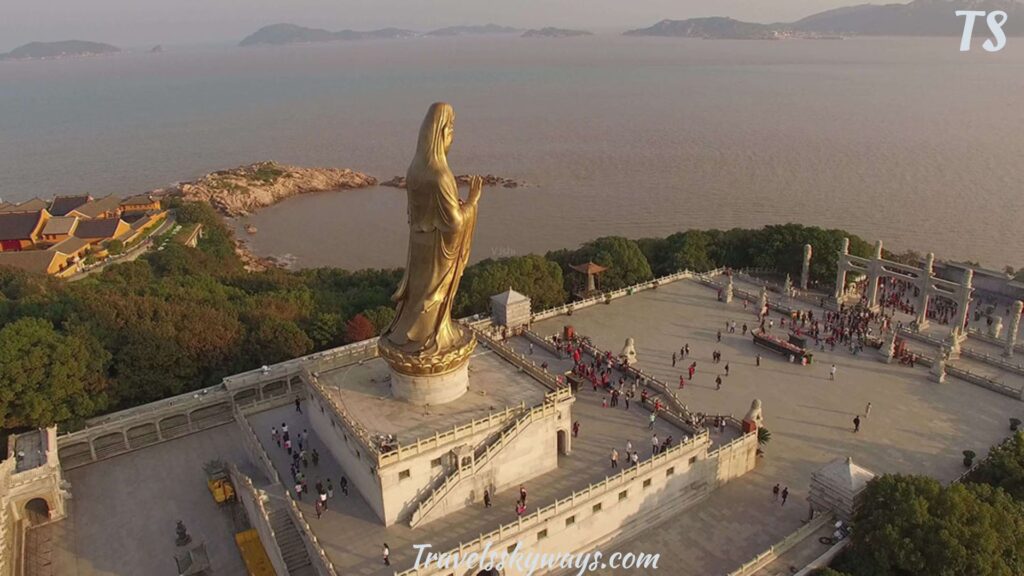
Sea breeze. Temple bells. Pine forests drifting through morning mist. That’s the first impression Mount Putuo gives you — calm, ancient, and beautifully alive.
As one of China’s most sacred Buddhist mountains, this small island in Zhejiang Province blends spirituality with coastal scenery so naturally that visitors often say it feels like stepping into a painted scroll.
Why Mount Putuo (Putuoshan) Should Be on Your 2025–2026 Travel List
Although the island covers only about 12.5 km², it boasts a staggering amount of history, natural beauty, and spiritual heritage.
Key Facts (Updated for 2025–2026)
- Recognized as one of China’s Four Sacred Buddhist Mountains.
- Known as the spiritual home of Guanyin, the Bodhisattva of Compassion.
- The island features centuries-old temples, lush forests, dramatic cliffs, and golden beaches.
- Annual visitation continues to climb, with 2024 numbers exceeding 6 million total visitors, and expected to grow by 10–12% through 2026.
- Putuoshan’s landscape blends sea, mountains, and sacred architecture, unlike anywhere else in Zhejiang.
This combination makes the island feel peaceful even when the temples are busy — the sea wind seems to absorb the noise.
Top Sights on Mount Putuo
Temple, Coastline, and Mountain Highlights
| Highlight | What Makes It Special |
| Puji Temple | The island’s largest temple complex, filled with serene courtyards, prayer halls, and ancient stone bridges. |
| Fayu Temple | Famous for its intricate wooden carvings and Ming-dynasty architectural style. |
| Huiji Temple | Located at the summit of Putuoshan, it offers sweeping views over the ocean and forest. |
| South Sea Guanyin Statue | A towering 33-meter bronze figure gazing over the East China Sea — one of the most iconic symbols of compassion in China. |
| Coastal Walks & Beaches | Soft golden sand, rocky shorelines, and some of the most peaceful seaside paths in Zhejiang Province. |
Every corner of Putuoshan offers a new blend of scent — pine resin, sea salt, incense — a combination that sticks with you long after you leave.
Best Times to Visit (2025–2026)
The island’s climate stays gentle most of the year, but certain seasons bring extra magic.
- March to November offers the best weather for hiking, photography, and temple visits.
- Early mornings reveal sea fog rolling through temple corridors.
- Sunset turns the coastline gold and is ideal for quiet reflection or beach walks.
- Travelers typically spend 1–2 days exploring, though spiritual visitors often stay longer for meditation retreats.
- Upgraded paths, eco-shuttles, and ferry connections for 2025 make navigating the island smoother and more accessible.
Travel Tips From Someone Who’s Walked the Island Paths
- Begin your day at Puji Temple when the incense is fresh and the crowds are light.
- Climb to Huiji Temple for sunrise — the panoramic ocean view is unforgettable.
- Walk the coastal paths slowly; the sound of waves against cliffs adds a quiet rhythm to the experience.
- Dress respectfully when entering temples.
- Stay overnight if time allows; the island transforms into a peaceful sanctuary once day-trippers leave.
If you’re looking for a destination where spiritual calm meets coastal beauty, Mount Putuo (Putuoshan) delivers exactly that. With ancient temples, sweeping sea views, evergreen forests, and a sense of serenity you feel instantly, this island stands out as one of Zhejiang Province’s most meaningful and enchanting experiences.
Let the temple bells guide you, let the sea wind slow you down, and let Putuoshan remind you how peaceful travel can feel.
Discover Fujian Province — Wuyi Mountain (Wuyishan)
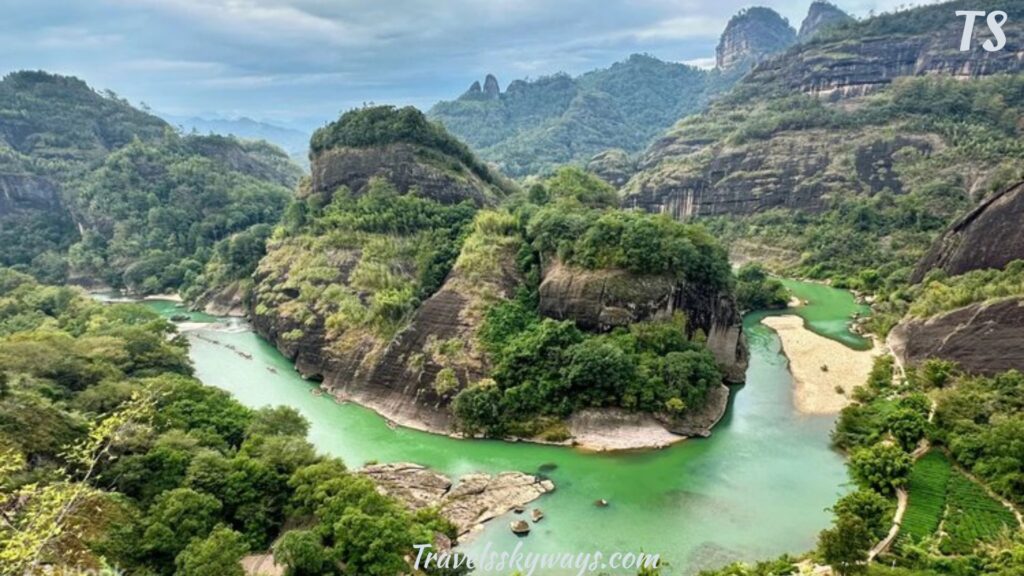
Morning mist drifts between red sandstone cliffs. Bamboo rafts glide down quiet rivers. Tea fields paint the hills in deep green waves. That’s the rhythm of Wuyi Mountain (Wuyishan) — a serene, UNESCO-protected wonder where nature, culture, and ancient philosophy blend into one unforgettable experience.
Why Wuyi Mountain Belongs on Your 2025–2026 Adventure List
Wuyishan isn’t just scenic. It’s soulful — a place where travelers slow down, breathe deeper, and feel completely immersed in nature.
Key Facts (2025 Update)
- The Wuyi Mountain Scenic Area spans roughly 990 km², including both cultural and natural heritage zones.
- Known for its iconic Danxia landforms, with sheer cliffs, red rock faces, and narrow gorges shaped over millions of years.
- The region is home to more than 4,000 plant species and hundreds of animal species, including rare birds found only in southeastern China.
- Annual visitors exceeded 10 million in 2024, with a projected 8–10% rise expected through 2026 thanks to eco-tourism growth.
- Wuyi Mountain is the birthplace of Da Hong Pao, one of China’s most celebrated oolong teas.
The combination of dramatic cliffs, winding rivers, and ancient tea culture makes this a destination filled with both beauty and depth.
Top Sights Around Wuyishan
Highlights You Shouldn’t Miss
| Attraction | Why It Stands Out |
| Nine Bend River (Jiuquxi) | Famous for bamboo-raft trips that drift through nine scenic turns surrounded by towering cliffs. |
| Tianyou Peak (Heavenly Tour Peak) | One of the most photographed spots — panoramic views reward the short but steep climb. |
| Da Hong Pao Tea Mother Bushes | Ancient tea bushes over 300 years old, still producing leaves that shaped the legend of oolong tea. |
| Wuyi Palace | A historic center of Taoist culture with ancient halls and peaceful stone courtyards. |
| Yunwo (Cloud Nest) | Mist often gathers here, wrapping the rock formations with a soft, floating veil. |
Each trail, river bend, and cliff reveals a landscape that shifts beautifully with the weather.
Best Time to Visit Wuyi Mountain (2025–2026)
Wuyishan’s climate stays mild, making it ideal for year-round travel, though certain months offer unforgettable scenery.
- March to May brings vibrant greenery and ideal temperatures for hiking.
- September to November offers crisp air, clear views, and perfect tea-tasting weather.
- Summer months stay warm but reward hikers with lush landscapes and dramatic mist.
- Most visitors spend 2–3 days, especially if they plan to combine rafting, hiking, and tea exploration.
- For 2025, improved shuttle routes and eco-trails make getting around smoother and more eco-friendly.
Travel Tips from Someone Who’s Walked the Cliffs & Sipped the Tea
- Start early, especially for Tianyou Peak — morning light spills beautifully across the cliffs.
- Take a bamboo raft down Nine Bend River; it’s slow, peaceful, and perfect for photos.
- Taste Da Hong Pao at a local tea farm. You’ll understand instantly why it’s legendary.
- Wear comfortable shoes — many trails include stone steps and narrow passes.
- Bring a light jacket, even in warmer months; river areas stay cool.
Wuyishan rewards slow exploration. The quieter you move, the more the mountains reveal.
If you want a destination with awe-inspiring landscapes, tranquil river valleys, ancient tea culture, and UNESCO-level heritage, Wuyi Mountain (Wuyishan) stands unmatched in Fujian Province.
Its cliffs, forests, and winding waterways offer a calming yet vivid escape — the kind that stays with you long after you’ve returned home.
Let the river guide you, let the mist surround you, and let Wuyishan show you why travelers return again and again.
Explore Guizhou Province — Mount Fanjing (Fanjingshan)
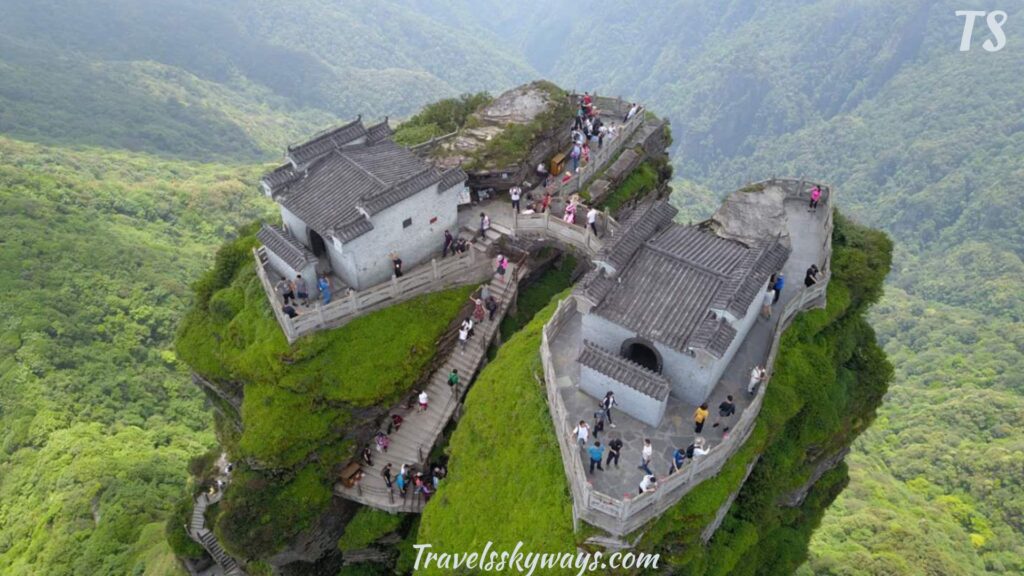
Misty peaks rising above dense forest. Sacred temples perched atop narrow cliffs. Rare monkeys peeking between bamboo shadows.
That’s Mount Fanjing — a place where wild nature, spiritual history, and jaw-dropping geology come together. If you love mountains that feel untouched and alive, Fanjingshan is a must-visit destination for 2025–2026.
Why Fanjingshan Is a Hidden Gem in China
- Fanjingshan reaches 2,570 meters, making it the highest peak in the Wuling Mountains.
- The protected area covers roughly 567 km², preserving subtropical and alpine ecosystems.
- UNESCO designated Fanjingshan a World Heritage Site for its outstanding biodiversity and spiritual significance.
- The area is home to rare species, including the Guizhou Snub-nosed Monkey and the Fanjingshan Fir, found almost nowhere else.
Fanjingshan isn’t just a mountain — it’s a time capsule, a refuge of ancient life and spiritual whispers.
What to See: Nature, Temples & Stunning Rock Formations
| Attraction / Feature | What Makes It Special |
| Red Clouds Golden Summit | Twin peaks with temples perched on narrow cliffs, connected by a dramatic stone bridge. Sweeping views of layered forests and distant ridges. |
| Mushroom Stone & Unique Rock Formations | Weathered over millions of years, these rocks resemble surreal sculptures, perfect for photography. |
| Pristine Forests & Wildlife | Ancient firs, dense broadleaf forests, and rare species make this area a biodiversity hotspot. |
| Historic Temples | Temples on summits and cliffs create a sacred atmosphere, reflecting Fanjingshan’s importance in Buddhism. |
Walking here, amid clouds and ancient stones, feels like stepping beyond the everyday.
Best Time to Visit & What to Know (2025–2026)
- Prime season: April to November — lush vegetation, clear trails, friendly weather.
- Hike or Cable Car: Climb 8,000+ stone steps for a full trek, or use the cable car for a gentler ascent while still reaching major peaks.
- Time needed: 5–10 hours for main highlights; an overnight stay allows sunrise views and a slower pace.
- Conservation: Visitor limits protect the fragile ecosystem; plan for busy seasons.
Travel Tips from Someone Who’s Walked the Trails
- Start early at dawn. Mist and golden light make the cliffs mystical.
- Take your time on the stairs. Steep and narrow sections reward every pause with new views.
- Bring layers. Weather changes quickly near the summit.
- Respect the silence. This place blends natural wonder with spiritual calm.
- Look beyond the summit. Forest valleys, waterfalls, and foggy ridges are as magical as the peak itself.
If you dream of forests older than cities, cliffs brushing the sky, and temples echoing centuries of chants, Mount Fanjing (Fanjingshan) is the destination. In 2025–2026, this reserve offers a wild, sacred, and unforgettable experience.
Let the fog guide your steps. Let the ancient stones echo under your feet. Let Fanjingshan remind you that some places aren’t just visited — they’re felt.
Explore Shandong Coastal Region — Laoshan Mountain (Laoshan Scenic Area)
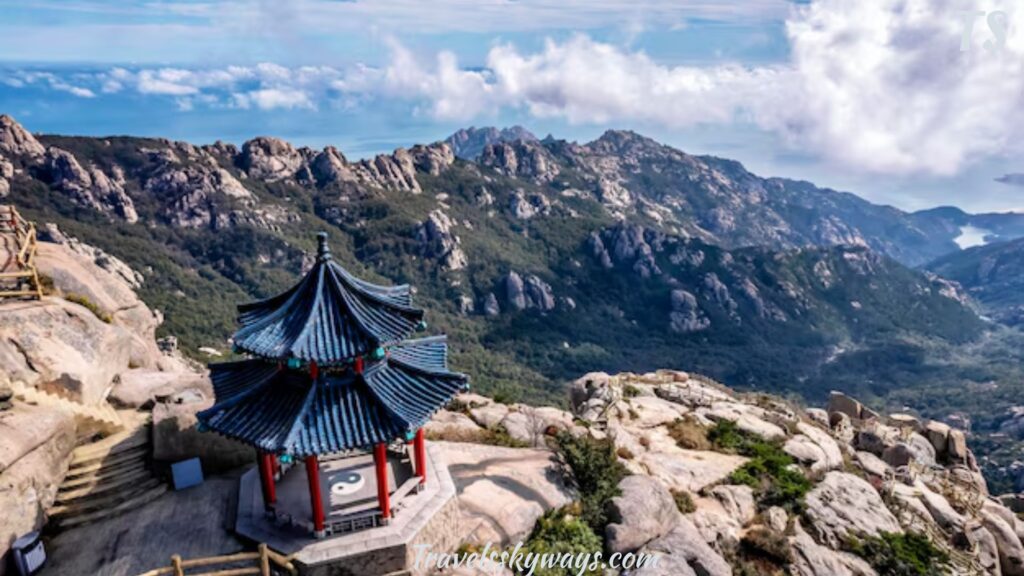
Salt air mingles with pine and rocky cliffs. Waves crash gently along hidden coves. That’s Laoshan Mountain, the crown jewel of Shandong’s coastal region, where Taoist history, rugged scenery, and coastal tranquility meet in perfect harmony.
If you’ve ever dreamed of hiking cliffs with ocean views while exploring ancient temples, Laoshan is calling for 2025–2026.
Why Laoshan Mountain Is a Must-Visit in 2025–2026
- Height & Location: Peaks rise to 1,133 meters, the tallest along the Shandong coast.
- Scenic Area: Spans approximately 446 km², encompassing cliffs, rivers, waterfalls, and forests.
- Cultural Significance: Known as the birthplace of Taoism, featuring over 60 historic Taoist temples.
- Visitor Insights: 2024 saw more than 3.5 million tourists, with a projected 10% increase by 2026 due to rising interest in wellness and coastal trekking.
- Natural Beauty: Features unique granite formations, clear streams, and cliff-top panoramic views of the Yellow Sea.
Laoshan isn’t just a mountain. It’s a meeting point of spiritual energy, outdoor adventure, and coastal charm.
Top Sights Around Laoshan
| Attraction | Why It Stands Out |
| Taiqing Palace | One of the largest Taoist temples, dating back over 1,500 years, is set against cliffs and streams. |
| Longtan Waterfall | Dramatic cascade in a forested gorge; ideal for photography and meditation. |
| Laojun Peak | The highest point with panoramic views of the ocean and the Shandong coastline. |
| Shimen (Stone Gate) | An iconic natural rock arch perched above cliffs symbolizes Taoist mysticism. |
| Sea Cliff Trails | Hiking paths with stunning coastal vistas, combining exercise with reflection. |
From sacred temples to misty peaks and ocean vistas, every step feels like a journey through history and nature.
Best Time to Visit (2025–2026)
- Spring & Autumn (March–June, September–November): Mild weather, blooming flowers, and clear views.
- Summer: Coastal breeze keeps hiking comfortable, but expect more visitors.
- Winter: Quiet, snowy landscapes provide a serene experience for those seeking solitude.
- Most travelers spend 1–2 days, with hikes, temple visits, and coastal explorations.
- Infrastructure improvements include eco-friendly shuttle buses, clearly marked trails, and visitor centers, enhancing the experience while preserving nature.
Traveler Tips for Laoshan
- Start early: Sunrise over the cliffs is spectacular.
- Wear sturdy shoes: Granite paths can be slippery after rain.
- Bring layers: Coastal winds change rapidly.
- Respect temple etiquette: Cover shoulders, avoid loud talking, and follow signs.
- Pause often: Views of the Yellow Sea, waterfalls, and pine forests reward every rest stop.
For a combination of Taoist heritage, breathtaking coastal scenery, and adventurous hiking, Laoshan Mountain (Laoshan Scenic Area) tops Shandong’s list. Its granite peaks, ancient temples, waterfalls, and cliff-side trails create a coastal experience that lingers long after you leave.
Climb, breathe, and let Laoshan show why Shandong’s coastline is more than just a backdrop — it’s a destination.
Discover Chongqing Municipality — Fairy Mountain (Wulong Fairy Mountain)
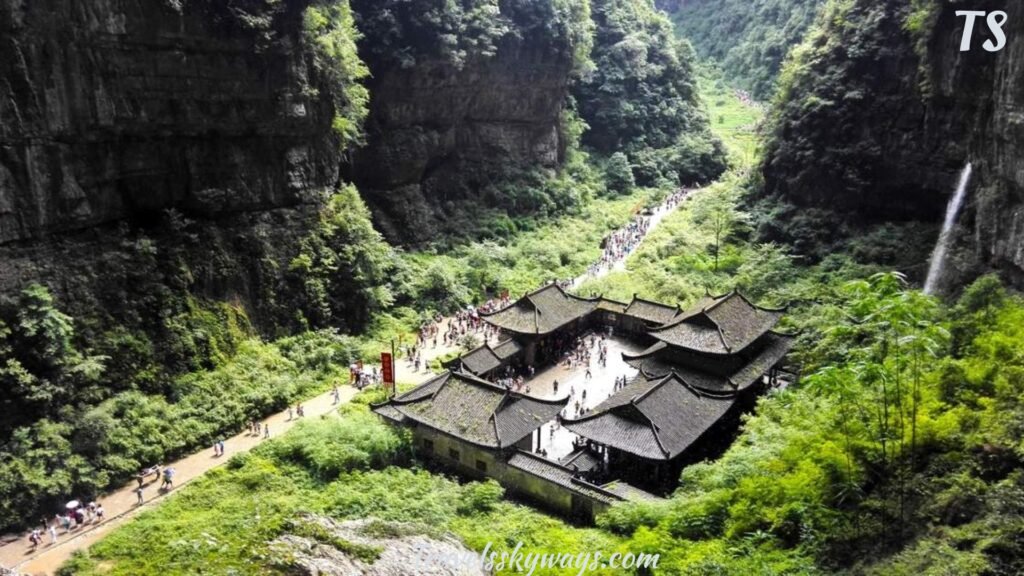
Mist drifts across alpine meadows. Pine forests sway gently on rolling slopes. Streams carve their way through limestone valleys. That’s Fairy Mountain, also known as Wulong Fairy Mountain, a highland wonder in Chongqing Municipality where nature, adventure, and fresh mountain air come together perfectly.
For travelers seeking a mix of scenic beauty, hiking, and unique landscapes, Fairy Mountain is a must-see in 2025–2026.
Why Wulong Fairy Mountain Is Unmissable in 2025–2026
- Elevation & Location: Peaks reach 2,100 meters, creating cool alpine conditions year-round.
- Scenic Area: Spans roughly 75 km², including grasslands, forests, and karst formations.
- Natural Features: Famous for its limestone plateaus, foggy valleys, and alpine meadows, earning its nickname as the “land of fairy tales.”
- Visitor Popularity: In 2024, the area welcomed over 1.2 million visitors, and tourism is expected to rise steadily through 2026 due to expanded eco-tourism and highland leisure experiences.
- Climate & Environment: Crisp air, rolling meadows, and seasonal wildflowers make it a summer escape from Chongqing’s heat.
Fairy Mountain isn’t just a hiking destination; it’s a place to breathe, explore, and feel completely immersed in nature.
Top Attractions on Fairy Mountain
| Attraction | What Makes It Special |
| Grasslands & Alpine Meadows | Vast fields with seasonal wildflowers, ideal for photography and picnics. |
| Fairy Lake (Xianhu) | Crystal-clear alpine lake surrounded by pine forests, perfect for reflection and short hikes. |
| Karst Valleys & Limestone Formations | Unique geological features shaped over millions of years, including caves and cliffs. |
| Wulong National Geology Park Connection | Part of the UNESCO World Heritage Wulong Karst area, linking Fairy Mountain to spectacular gorges and bridges. |
| Ski & Winter Sports Areas | In winter, snow transforms meadows into scenic slopes for skiing and snow play. |
Walking through Fairy Mountain feels like stepping into a storybook — every turn offers a new vista, every meadow invites pause.
Best Time to Visit (2025–2026)
- Summer (June–August): Cool temperatures and lush greenery, ideal for hiking and escaping city heat.
- Autumn (September–November): Golden meadows, crisp air, and clear skies for photography.
- Winter (December–February): Snow-covered slopes and winter sports make for a serene escape.
- Spring (March–May): Blooming wildflowers and misty mornings highlight the mountain’s alpine beauty.
Most travelers spend 1–2 days exploring meadows, lakes, and trails. Well-maintained paths and eco-friendly shuttle services make it easy to navigate without disturbing the natural environment.
Traveler Tips for Fairy Mountain
- Bring layers: Mountain weather changes quickly, even in summer.
- Wear sturdy shoes: Trails can be uneven, especially near limestone formations.
- Take a camera: Scenic meadows, fog, and lakes create perfect photo opportunities.
- Start early: Sunrise over alpine peaks is breathtaking.
- Respect nature: Stick to trails and avoid picking flowers or disturbing wildlife.
For stunning alpine landscapes, fresh mountain air, and a peaceful retreat from urban life, Fairy Mountain (Wulong Fairy Mountain) is a top destination in Chongqing Municipality. Its meadows, forests, limestone formations, and lakes offer a magical mix of adventure and relaxation that lingers in memory.
Walk the trails, breathe the crisp air, and let Fairy Mountain remind you why Chongqing’s highlands are among China’s most enchanting escapes.
Explore Jiangsu Province — Purple Mountain & Niushoushan Forest Park (Nanjing)
City skylines often steal the spotlight, but just beyond Nanjing’s urban bustle lie Purple Mountain and Niushoushan Forest Park, two natural and cultural treasures.
From ancient temples atop rolling hills to serene forest trails, these destinations blend history, scenic beauty, and peaceful escapes — perfect for a 2025–2026 visit.
Purple Mountain (Zijinshan) — Nanjing’s Iconic Hills
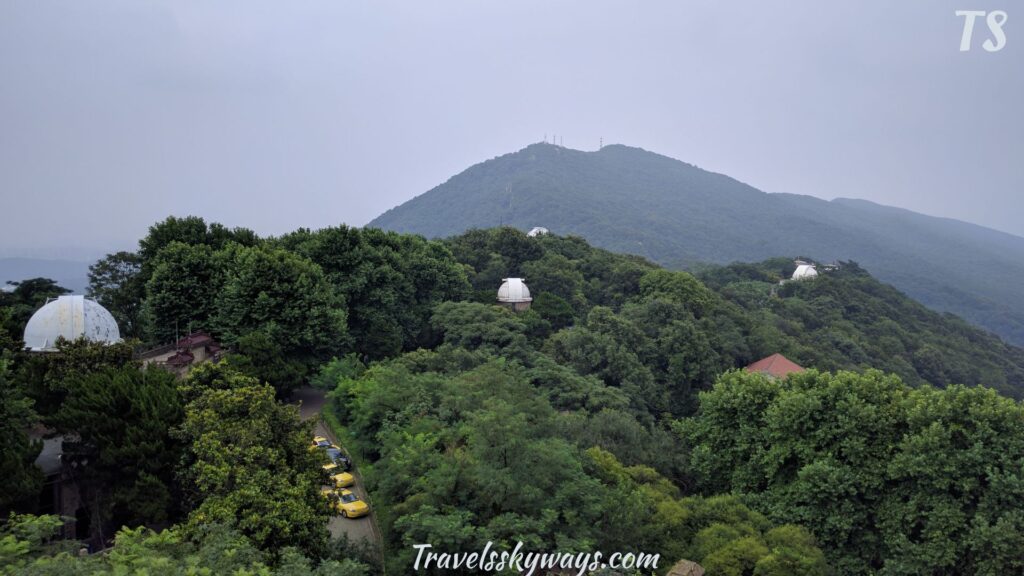
Rising to 448 meters, Purple Mountain dominates Nanjing’s skyline while offering hiking, temples, and panoramic city views. The area spans about 20 km² and is rich in both natural beauty and cultural heritage.
Why You Should Visit:
- Historical Sites: Home to the Ming Xiaoling Mausoleum, Sun Yat-sen Mausoleum, and Linggu Temple, reflecting centuries of Chinese history.
- Scenic Highlights: Trails wind through forests, streams, and rocky outcrops, providing tranquil hiking experiences.
- Visitor Insights: Over 3 million visitors annually, with rising interest in cultural tourism expected through 2026.
- Seasonal Views: Spring cherry blossoms, summer green forests, autumn foliage, and winter misty hills — every season paints a different landscape.
Top Attractions on Purple Mountain
| Attraction | Why It Stands Out |
| Sun Yat-sen Mausoleum | Iconic architecture, panoramic views, and historical significance. |
| Ming Xiaoling Mausoleum | UNESCO World Heritage Site, famous for stone sculptures and sacred pathways. |
| Linggu Temple & Pagoda | Peaceful temple surrounded by forest, featuring ancient Buddhist carvings. |
| Observatory & Trails | Hiking paths offer city vistas and natural landscapes. |
Niushoushan Forest Park — Urban Nature Retreat
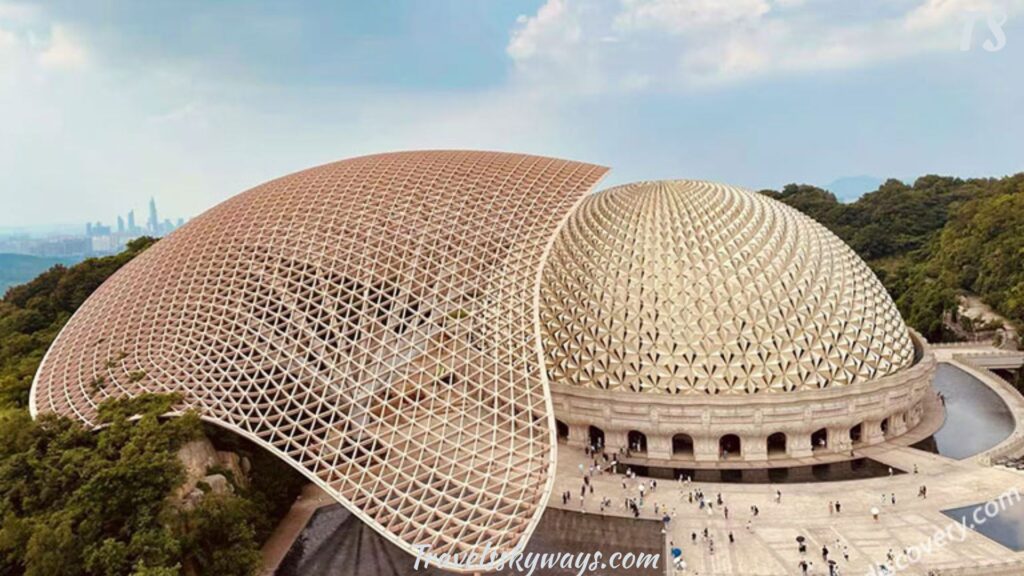
Located in southern Nanjing, Niushoushan Forest Park is a blend of forests, hills, and lakes, making it a perfect day-trip for those who want nature without leaving the city.
Key Facts
- Covers roughly 50 km² of protected forest and hillside terrain.
- Features Niushou Mountain and Niushoushan Buddhist Cultural Park, combining natural scenery with cultural exploration.
- Annual visitors exceed 1.5 million, with eco-tourism enhancements in 2025–2026 improving accessibility and sustainability.
Top Highlights
| Attraction | Why It Stands Out |
| Niushou Mountain Trails | Easy-to-moderate hikes with panoramic city and forest views. |
| Niushoushan Buddhist Cultural Park | Large Buddha statues, meditation halls, and spiritual exhibits. |
| Forest Paths & Lakes | Ideal for photography, picnics, and birdwatching. |
| Eco-Shuttle & Viewing Platforms | Access to the main scenic areas without damaging natural habitats. |
Best Time to Visit (2025–2026)
- Spring (March–May): Cherry blossoms and mild temperatures.
- Summer (June–August): Lush greenery, cool forest shade, perfect for hiking.
- Autumn (September–November): Crisp air and colorful foliage.
- Winter (December–February): Less crowded, serene views, and misty hills.
Most travelers spend 1–2 days, splitting time between Purple Mountain’s historic sites and Niushoushan’s natural beauty.
Traveler Tips
- Wear comfortable shoes for trails and stone pathways.
- Start early to avoid crowds at historical monuments.
- Bring water and snacks for forest hikes, though cafes are available near major attractions.
- Respect temple etiquette and natural surroundings.
- Take your camera — panoramic views, temples, and forest landscapes offer endless photo opportunities.
For a combination of historic landmarks, scenic hiking, and serene forests, Purple Mountain and Niushoushan Forest Park provide a perfect escape in Jiangsu Province.
Whether you’re exploring ancient mausoleums, wandering forest trails, or soaking in panoramic city views, these destinations showcase Nanjing’s rich blend of culture and nature.
Step onto the trails, breathe the forest air, and let Jiangsu’s mountains remind you how beautiful urban escapes can be.
Explore Tibet & Western China — Mount Everest & Mingsha Shan
Towering peaks, vast deserts, and landscapes that feel otherworldly — that’s Tibet and the Qinghai Plateau in a nutshell. Two iconic destinations stand out: Mount Everest (Everest Base Camp) and Mingsha Shan (Echoing-Sand Mountain) in Dunhuang.
Both offer dramatically different experiences, yet each immerses travelers in China’s natural extremes and cultural richness.
Mount Everest / Everest Base Camp (EBC) — The Roof of the World
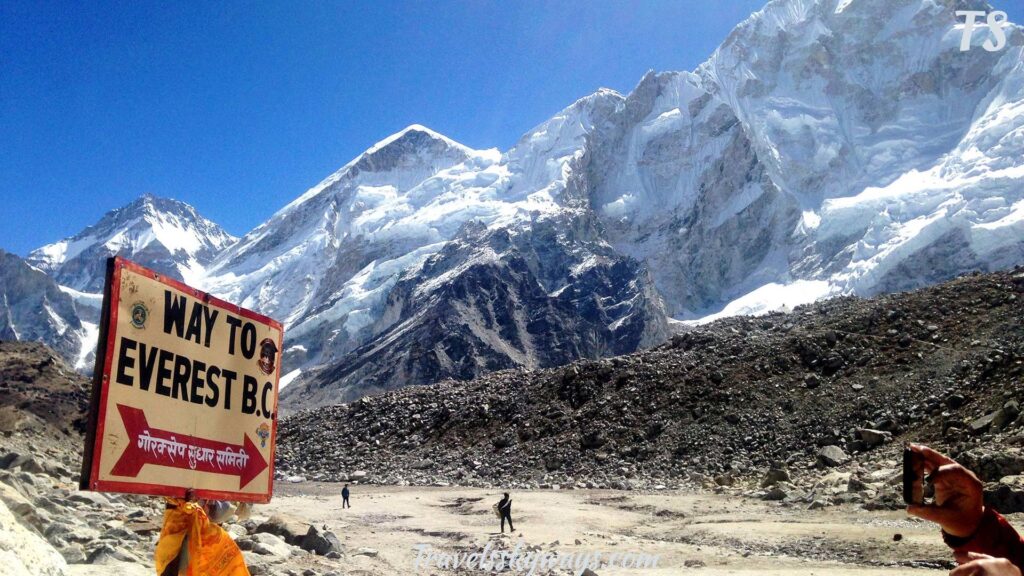
Few places inspire awe like Mount Everest, the world’s tallest mountain at 8,848.86 meters. While reaching the summit requires extreme mountaineering, visiting the Everest Base Camp on the Tibetan side provides a stunning, more accessible adventure.
Why Visit Everest Base Camp (2025–2026)
- Location: Tibet Autonomous Region, northern slope of Everest.
- Altitude & Terrain: Base camp sits at roughly 5,200 meters, surrounded by glacial valleys and dramatic Himalayan peaks.
- Visitor Numbers: Tourism is carefully managed; around 30,000–35,000 trekkers are permitted annually on the Tibetan side, ensuring environmental sustainability.
- Cultural Experience: Visit nearby Tibetan villages, monasteries, and prayer flags fluttering in high-altitude winds.
- Best Seasons: April–May and September–October — clear skies, stable weather, and optimal trekking conditions.
Top Highlights at Everest Base Camp
| Feature | What Makes It Special |
| Base Camp Viewpoints | Panoramic vistas of Everest, Lhotse, Nuptse, and surrounding glaciers. |
| Rongbuk Monastery | The highest monastery in the world, offering spiritual insight and unique Tibetan architecture. |
| Khumbu Glacier & Icefalls | Dramatic ice formations at the mountain’s base, spectacular for photography. |
| Prayer Flags & Tibetan Culture | A colorful and meaningful backdrop that blends nature and spirituality. |
Trekking to EBC challenges your endurance, but the combination of high-altitude adventure, Tibetan culture, and awe-inspiring scenery makes it unforgettable.
Mingsha Shan (Echoing-Sand Mountain) — Dunhuang Desert Wonder
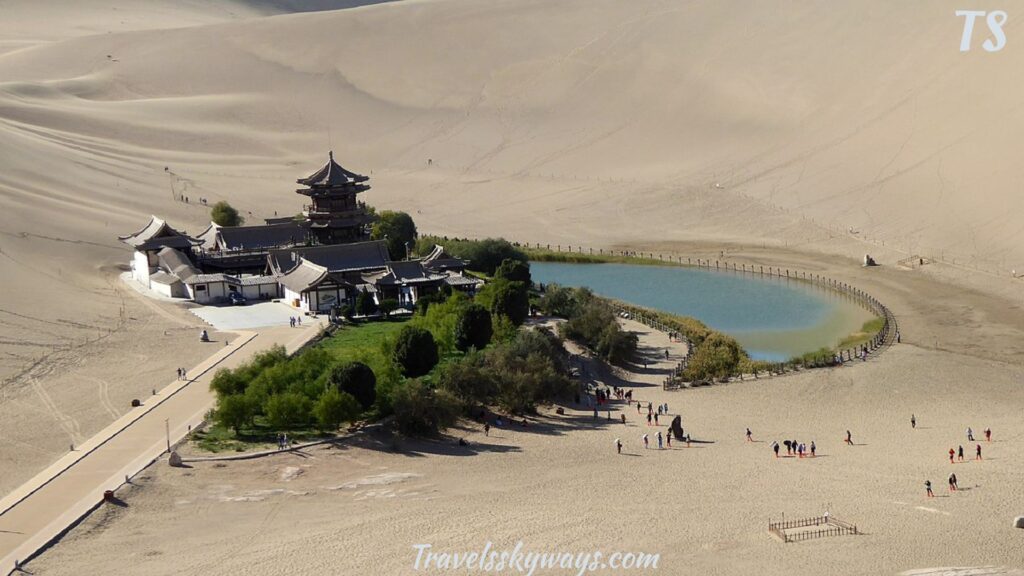
In stark contrast, Mingsha Shan in Dunhuang, Gansu Province, showcases China’s desert magic. Dunes stretch endlessly, and winds create musical echoes, giving this mountain its name.
Why Visit Mingsha Shan (2025–2026)
- Location: Near Dunhuang, along the edge of the Gobi Desert.
- Height & Terrain: Dunes reach up to 160 meters, offering incredible sand-surfing and camel-riding opportunities.
- Visitor Experience: Over 1 million tourists annually, with eco-friendly paths and cable cars added in 2025–2026 to reduce environmental impact.
- Nearby Attractions: The historic Crescent Lake, a natural oasis, adds a stunning contrast to the golden sands.
Top Activities at Mingsha Shan
| Activity | Why It Stands Out |
| Sandboarding & Hiking | Adrenaline-filled adventure across the shifting dunes. |
| Camel Trekking | Traditional desert travel with scenic photography opportunities. |
| Crescent Lake | A tranquil oasis surrounded by desert dunes, perfect for relaxation. |
| Dune Sunrise & Sunset | Golden light casts magical shadows and enhances the sand’s echoing effect. |
Mingsha Shan offers both adventure and serenity, letting visitors experience the Gobi Desert’s vast beauty up close.
Best Time to Visit (2025–2026)
- Everest Base Camp: April–May and September–October for clear weather and safe trekking.
- Mingsha Shan: Spring (March–May) and autumn (September–October) for cooler temperatures and more comfortable desert exploration.
- Travelers often combine 2–3 days at Everest Base Camp with 1–2 days in Dunhuang if exploring Western China extensively.
Traveler Tips
- Acclimatization at EBC: Spend extra days at intermediate altitudes to prevent altitude sickness.
- Bring layered clothing: Temperatures at high altitudes and deserts fluctuate drastically.
- Stay hydrated & sun-protected: Strong sun and dry air can affect both mountain trekkers and desert explorers.
- Respect local culture: Tibetan and desert communities have unique customs — follow local guidelines and customs.
- Book early: Both destinations manage visitor numbers for environmental and safety reasons.
For 2025–2026, Tibet and Western China offer experiences at opposite extremes: Mount Everest Base Camp for high-altitude adventure and Tibetan culture, and Mingsha Shan for desert exploration and tranquility by the dunes.
Both are unforgettable in their own way, showcasing the diverse landscapes, heritage, and adventure opportunities China offers.
Step onto the Tibetan plateau, listen to the echoing sands, and let these natural wonders redefine what it means to travel.
FAQs
Which mountains are most well-known when it comes to seeing from China?
So many famous mountains exist in China: Mount Huangshan. Mount Tai. Mount Huashan. Mount Emei-Mountain Tianzi holds some of the most ancient religious, cultural history, and natural wonders.
Is Climbing China’s Sacred Mountains challenging?
Some mountains, like Huashan, are so steep and difficult, while others are gentler as Qingcheng. Most of these places generally offer scenic routes or lifts for casual access.
These mountains have what cultural or religious meaning?
Among all sacred peaks, three stand out: Wudangshan, Emeishan, and Wutai. Of these, each is equally notable in respect of temples, monasteries, and many centuries-old pilgrimage trails sacred to Taoism and Buddhism.
Visiting these mountains requires specific licenses or tickets?
Yes, most mountains are part of scenic areas with entry charges; some, like Mount Everest Base Camp, call for permits. Before traveling, local restrictions should be checked.
Is the Sky Stairway in China real?
Yes, the Sky Stairway, also known as the “Stairway to Heaven” in Zhangjiajie, is a real cliff-side walkway with 999 steps leading to panoramic mountain views.
Can you climb Everest from China?
Yes, climbers can access Everest’s north side via Tibet, which is considered slightly less crowded than the Nepal route but requires permits and acclimatization.
What is the steepest mountain in China?
Mount Siguniang in Sichuan is considered one of China’s steepest, with rugged peaks and dramatic cliffs ideal for expert climbers.
How many floors are 999 steps?
Roughly 50–60 floors, depending on stair height, since the Sky Stairway’s steps ascend nearly 300 meters.
What is the 2 pm rule in Everest?
Mountaineers must descend from the summit by 2 pm to reduce the risk of altitude sickness, avalanches, or sudden weather changes.
What is the Forbidden Mountain in China?
The “Forbidden Mountain” often refers to Mount Tai’s sacred areas restricted to imperial or ceremonial access in ancient times.
What are the 7 rules of Chinese etiquette?
Key rules include showing respect to elders, removing shoes indoors, offering/receiving gifts with both hands, avoiding public criticism, being punctual, maintaining harmony, and avoiding loud talking.
Does Buddha’s Hand have a safety net?
Yes, the Buddha’s Hand cliffs in Zhangjiajie have safety nets and railings to protect hikers while still offering dramatic views.
Conclusion
China’s breathtaking mountains offer an extraordinary journey through nature, culture, and adventure. From the towering sandstone pillars of Tianzi Mountain to the serene trails of Mount Yuelu, each peak tells a story of history, spirituality, and natural beauty. In 2025, these landscapes will provide travelers with unforgettable hiking, photography, and cultural experiences.
Whether you seek mystical temples, panoramic vistas, or hidden valleys, exploring China’s mountains reveals a world of wonder that blends adventure and serenity, leaving every visitor inspired and connected to the country’s rich heritage and breathtaking scenery.

Travels skyways helps you plan your perfect journey with expert tips, destination guides, travel hacks, and budget advice. Whether it’s a quick getaway or a dream vacation, we’re here to guide your adventure from start to finish.